
How Pet Allergens Build Up in Ducts—And What to Do in Wisconsin
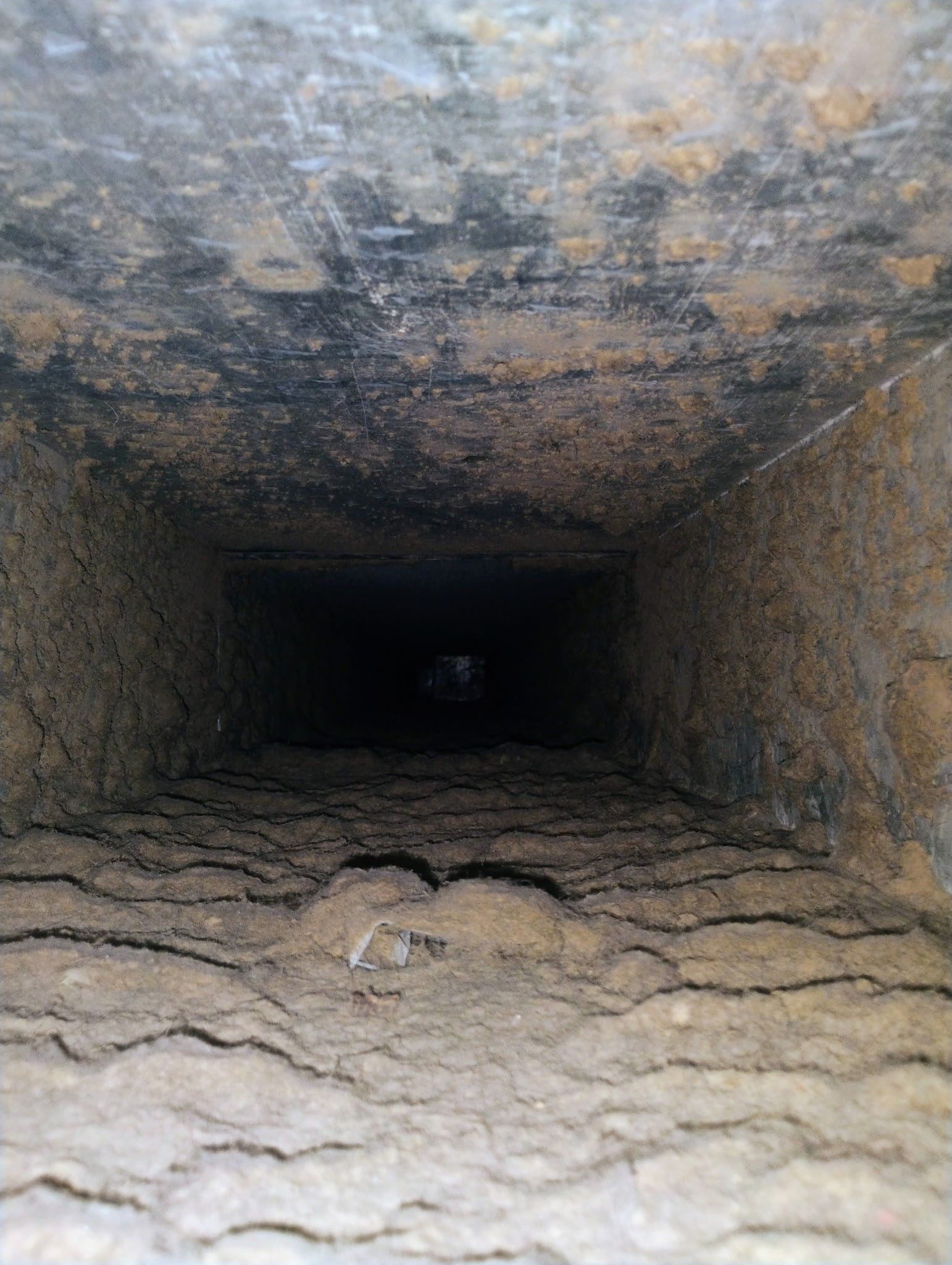
Pet dander season is real. Here’s how allergens collect in your HVAC system, why Wisconsin homes feel it more, and the fastest ways to fix it.
If you live in Wisconsin with dogs or cats, you’ve likely noticed the cycle: the weather shifts, shedding ramps up, and your home suddenly feels dustier—even if you’re cleaning more. What many homeowners miss is that pet allergens don’t just settle on furniture. They get pulled into your HVAC system through return vents, collect inside ductwork, and can be recirculated every time the furnace or AC runs.
This guide explains how pet allergens build up in ducts, what symptoms to watch for, and what actually works—especially during high-shed “furry season.”
What “pet allergens” really are (and why ducts collect them)
Pet allergens are not just pet hair. The bigger irritant for many people is microscopic dander (tiny skin flakes) and proteins from saliva that cling to fur and dust. These particles are lightweight, stick to surfaces, and stay in the indoor environment longer than people expect.
Your HVAC system becomes a collector because:
- Return vents pull air (and particles) toward the system
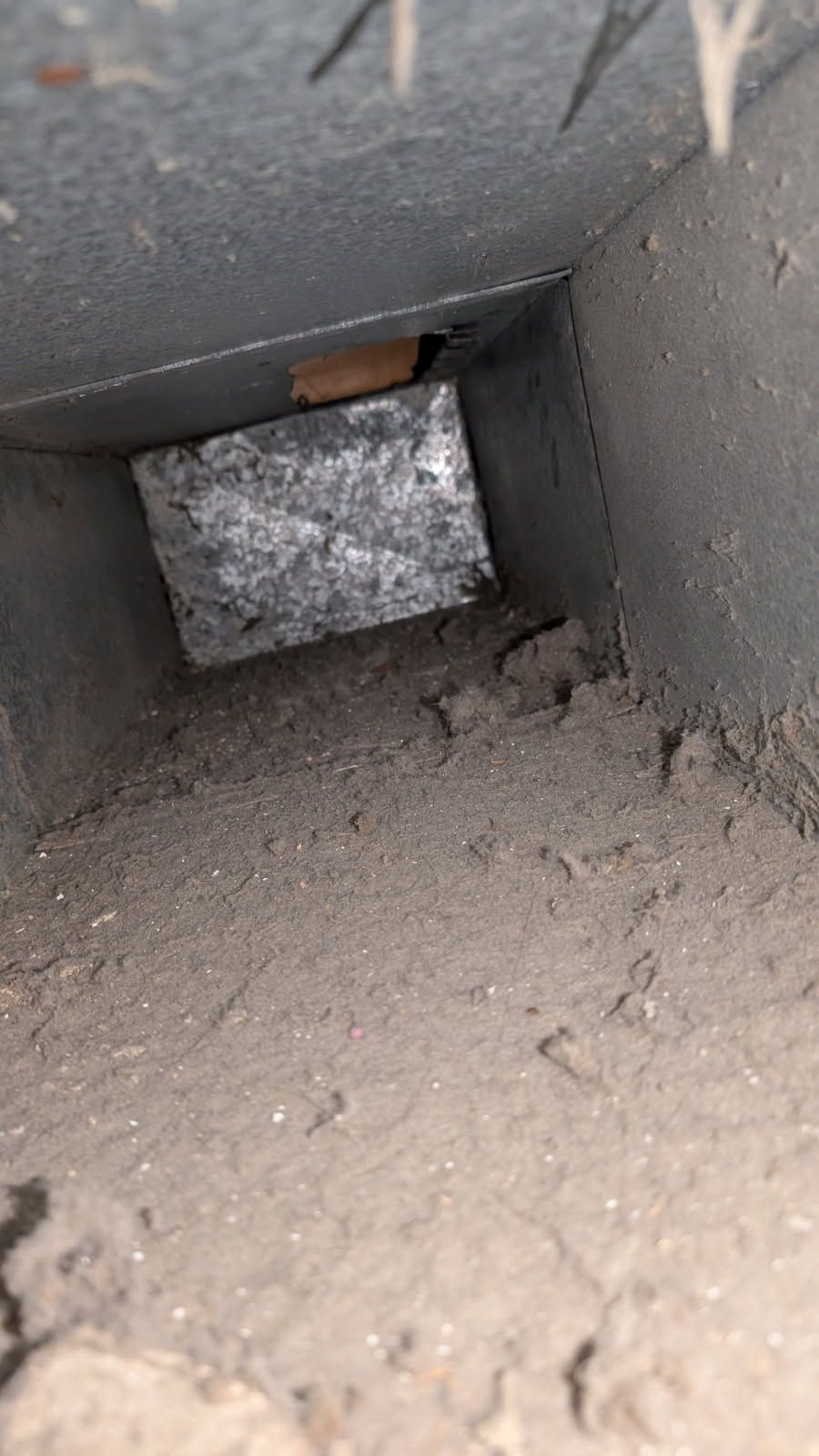
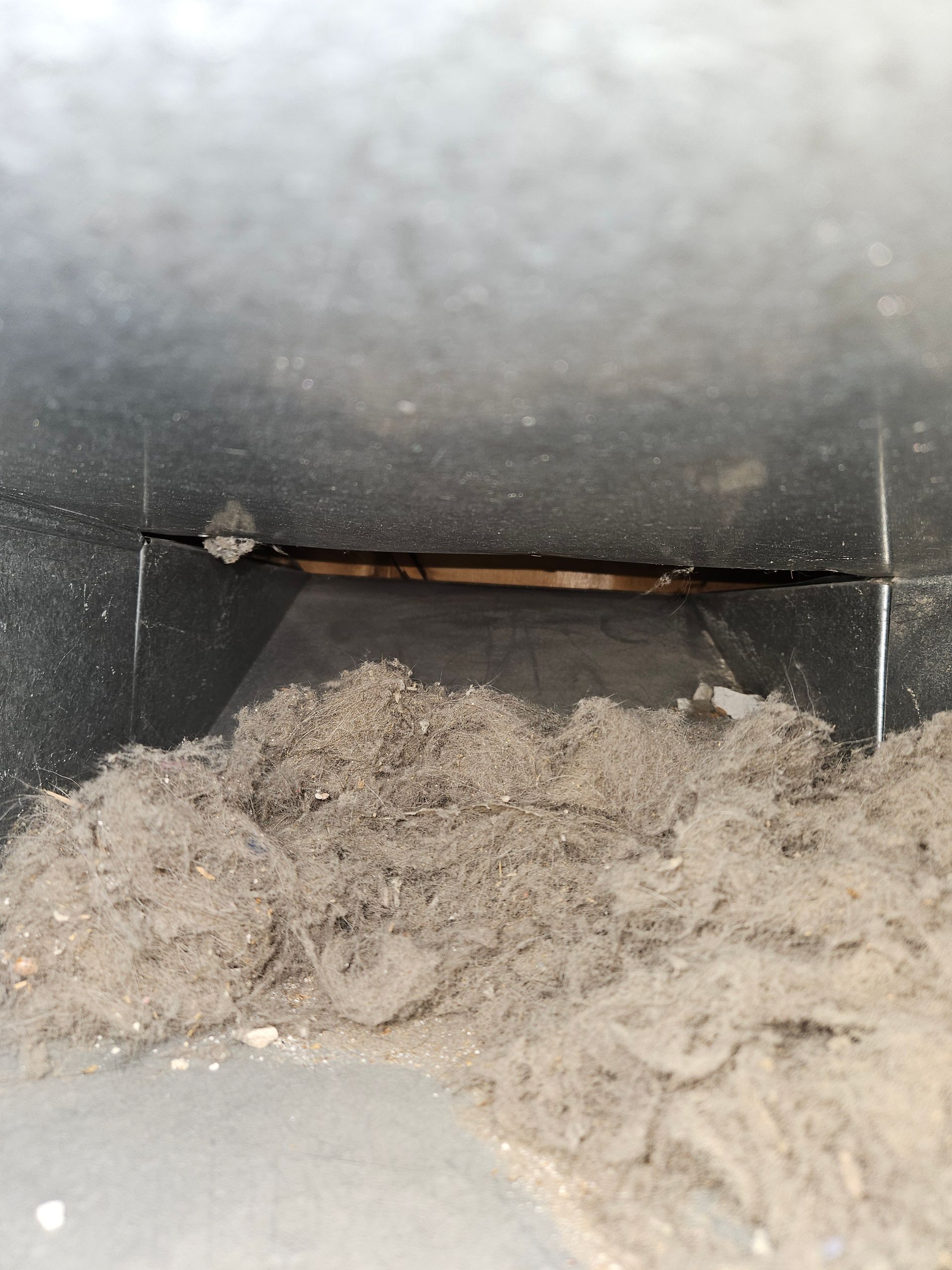
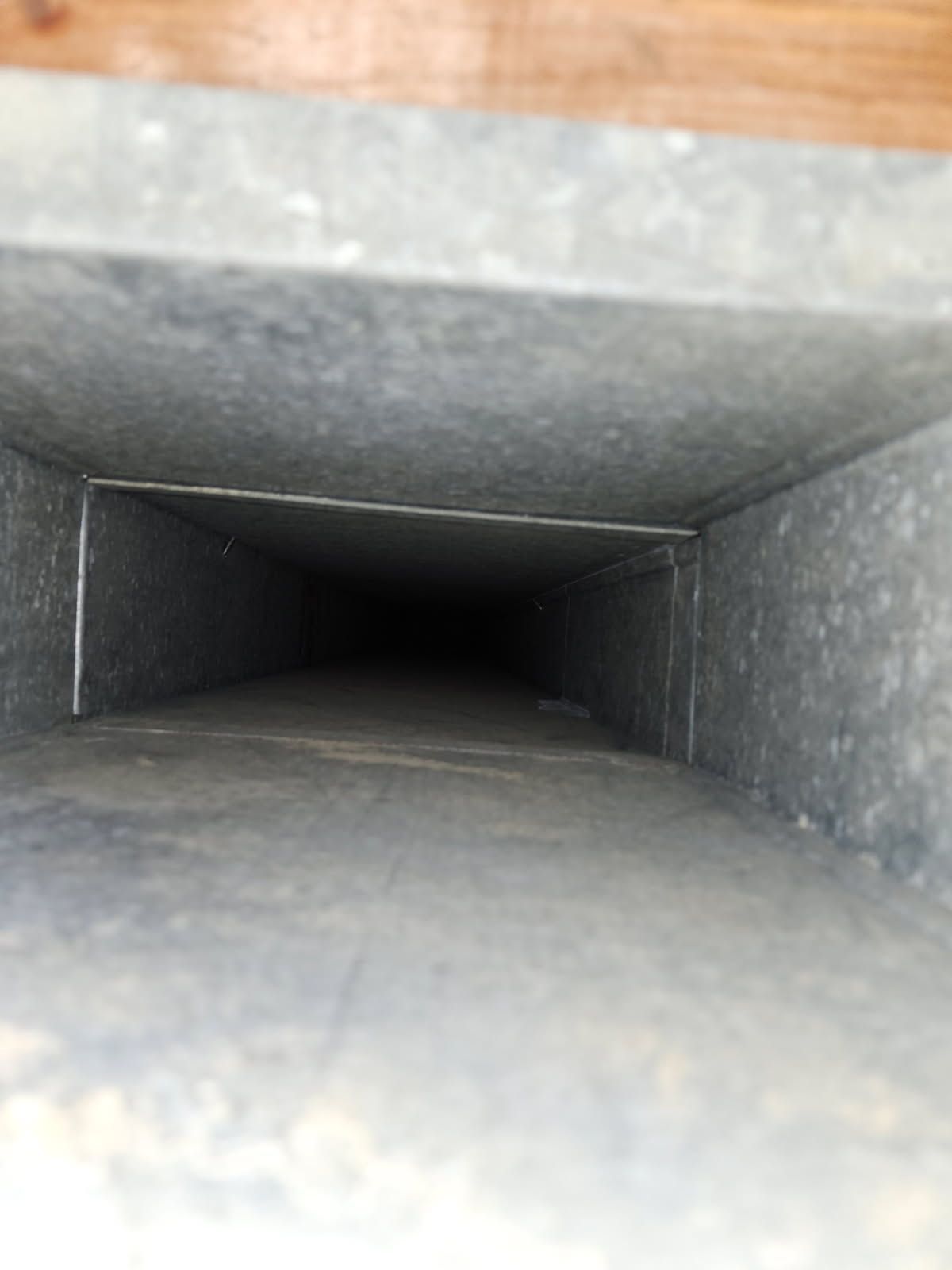
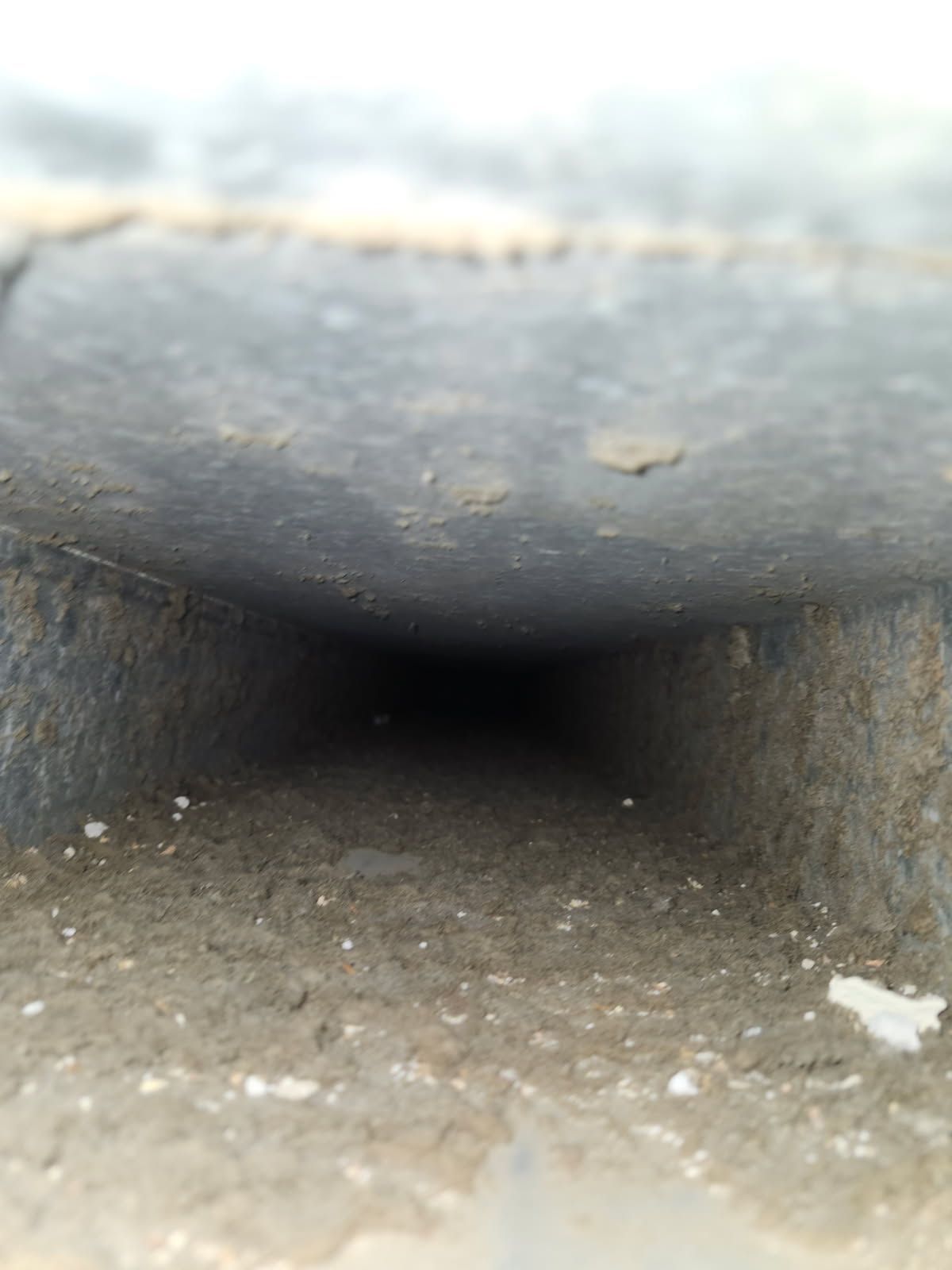
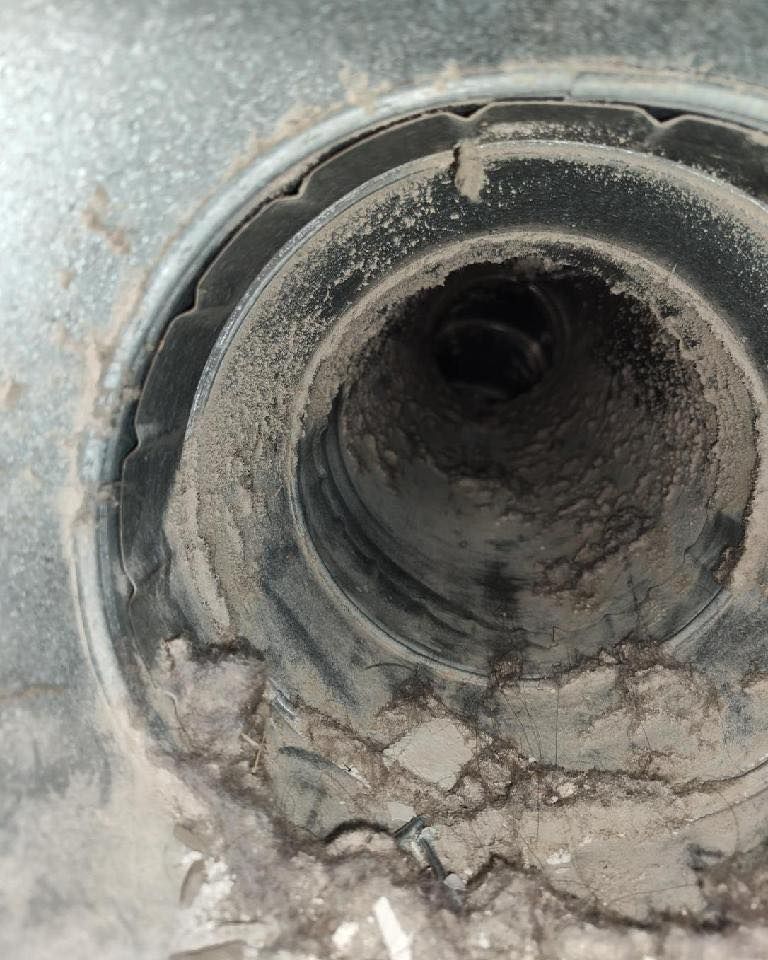
- Fine debris settles inside ductwork over time
- The blower moves air repeatedly, redistributing what’s already in the system
In short: if dander is in the air, your HVAC system will eventually touch it—and often trap it.
Why Wisconsin homes feel pet allergens harder in certain seasons
Wisconsin conditions amplify the problem. Long heating seasons and extended “windows closed” periods create an indoor loop: less fresh-air exchange + more HVAC runtime = more recirculation.
The roughest periods tend to be:
- Spring: shedding overlaps with pollen and allergy season
- Fall: a second shedding period hits as heat turns on
- Winter: tighter indoor air, less ventilation, constant furnace cycling
If your HVAC is running daily, pet allergens don’t just exist—they circulate.
Where pet dander collects inside your HVAC system
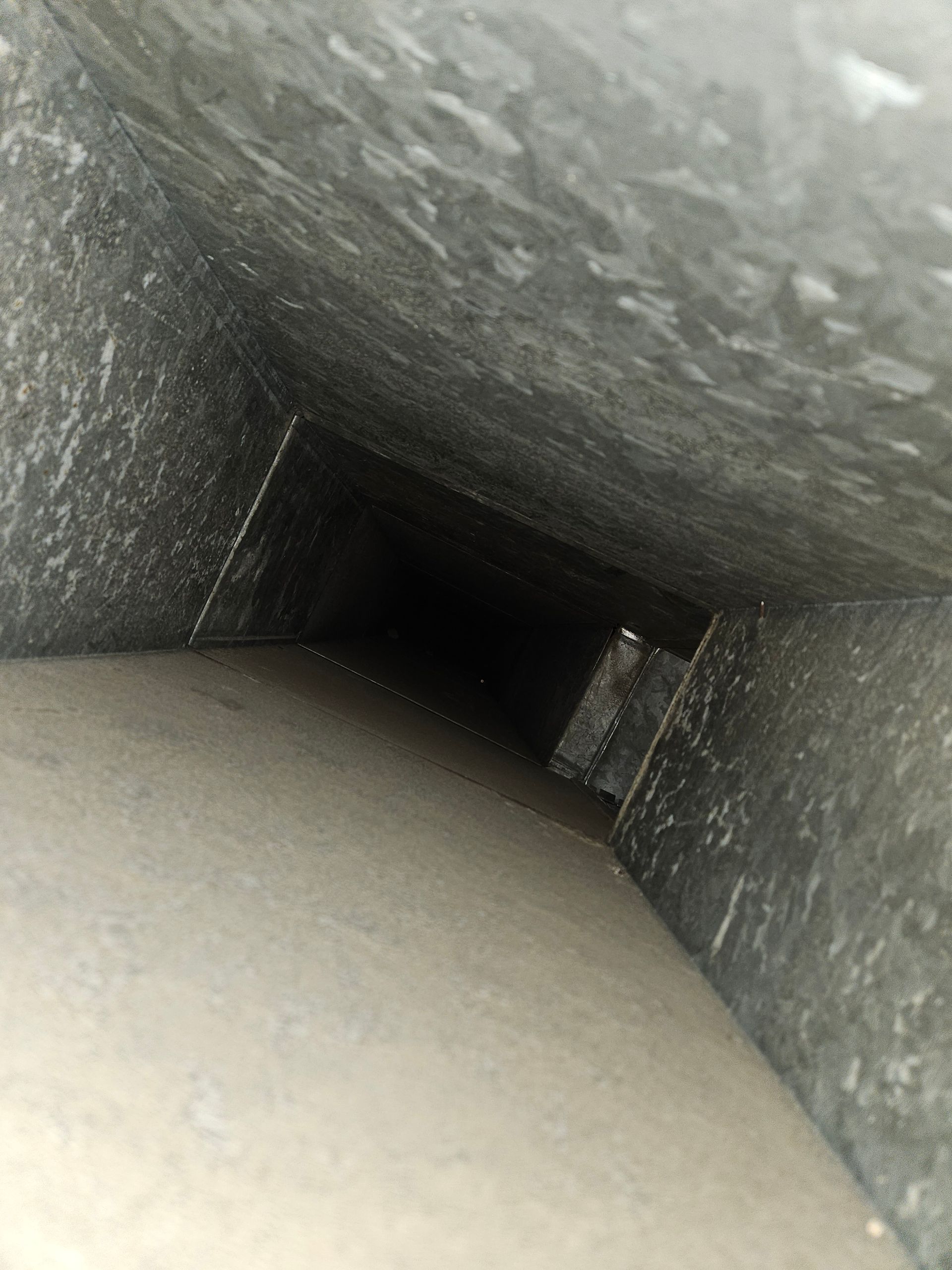
Most buildup occurs in predictable places:
Return vents and return trunks (the intake side)
This is where allergens enter the system. If returns are dusty, assume more is collecting deeper in the return ductwork.
Supply ducts (distribution side)
Fine particles can settle along duct surfaces and can be disturbed and redistributed as airflow cycles.
Blower compartment and air handler area
If the blower and nearby components accumulate dust and dander, it can affect airflow and increase how much particulate gets moved through the system.
7 signs pet allergens may be building up in your duct system
These are the real-world red flags that show up in Wisconsin homes with pets:
- Dust returns quickly after cleaning
- Allergy symptoms spike indoors (especially when HVAC runs)
- Musty or “pet” odor when the system turns on
- Visible debris around supply vents and return grilles
- Filters clog faster than normal
- Uneven airflow (some rooms feel weaker than others)
- It’s been years—or never—since professional duct cleaning
One sign alone isn’t proof. Multiple signs together usually are.
What to do about pet allergens in ducts (Wisconsin “furry season” checklist)
You have two goals: reduce what enters the system and remove what’s already inside it.
1) Fix your filter strategy (fastest ROI)
- Use a quality filter that matches your system’s airflow requirements
- Change it more often during spring and fall shedding
- Ensure it fits snug—air bypassing the filter defeats the entire point
If your system struggles with airflow, don’t “solve it” by using a cheap filter long-term—solve it by addressing buildup and/or system issues.
2) Clean return vents more aggressively than supply vents
Returns are the intake. If you’re only wiping supply registers, you’re skipping the main entry point.
Practical steps:
- Vacuum return grilles with a brush attachment
- Wipe them down regularly
- Keep the area around returns clean (pet beds nearby are a common issue)
3) HEPA vacuum during shedding peaks
Weekly is ideal in spring/fall:
- Floors and rugs first
- Upholstery and pet bedding next
- Then vent and return grilles
Standard vacuums can kick fine particles back into the air. HEPA helps limit that.
4) Control humidity to reduce odor and irritation
Wisconsin humidity swings can make indoor air feel worse. Keeping humidity at a healthy level helps reduce that “stale” or “pet” air effect and can limit conditions that make irritants more noticeable.
5) Groom smarter to reduce airborne dander
This isn’t about grooming more—it’s about grooming strategically:
- Brush outdoors when possible
- Wash pet bedding regularly
- Use entry mats and keep high-shed zones easier to clean
Small changes can cut what becomes airborne.
When DIY stops being enough: professional duct cleaning for pet allergens
If you’ve handled filters and cleaning routines and still have persistent dust, odors, or allergy flare-ups, the duct system may already have enough accumulation that surface-level cleaning won’t touch it.
A legitimate duct cleaning should focus on:
- Whole-system removal of debris (not just vent covers)
- Return and supply ductwork
- Main trunk lines
- Critical airflow components like the blower area
If you want pet allergen reduction that you can actually feel, this is usually where the real improvement comes from—especially in homes with multiple pets or high HVAC runtime.
Local Wisconsin guidance: who should take this seriously
This is especially relevant if you’re in:
- Older homes with legacy duct layouts
- Homes with multiple pets
- Homes with allergy-sensitive occupants
- Properties where HVAC runs hard most of the year (very common across Wisconsin)
For businesses in Wisconsin (offices, retail, clinics), pet allergens can also be an issue when employees bring allergens on clothing—even without pets on-site. Indoor air still accumulates particulates.
Bottom line
Pet allergens don’t stay on the couch. In Wisconsin, long heating seasons and frequent closed-window months mean HVAC systems recirculate indoor air constantly—so pet dander can build up in returns and ducts and then cycle back through your home. Start with filters, return vent hygiene, and HEPA routines, and if symptoms persist, stop fighting the same battle every week and address the system itself.