
Spring Cleaning Your Air System: Duct & Vent Tips
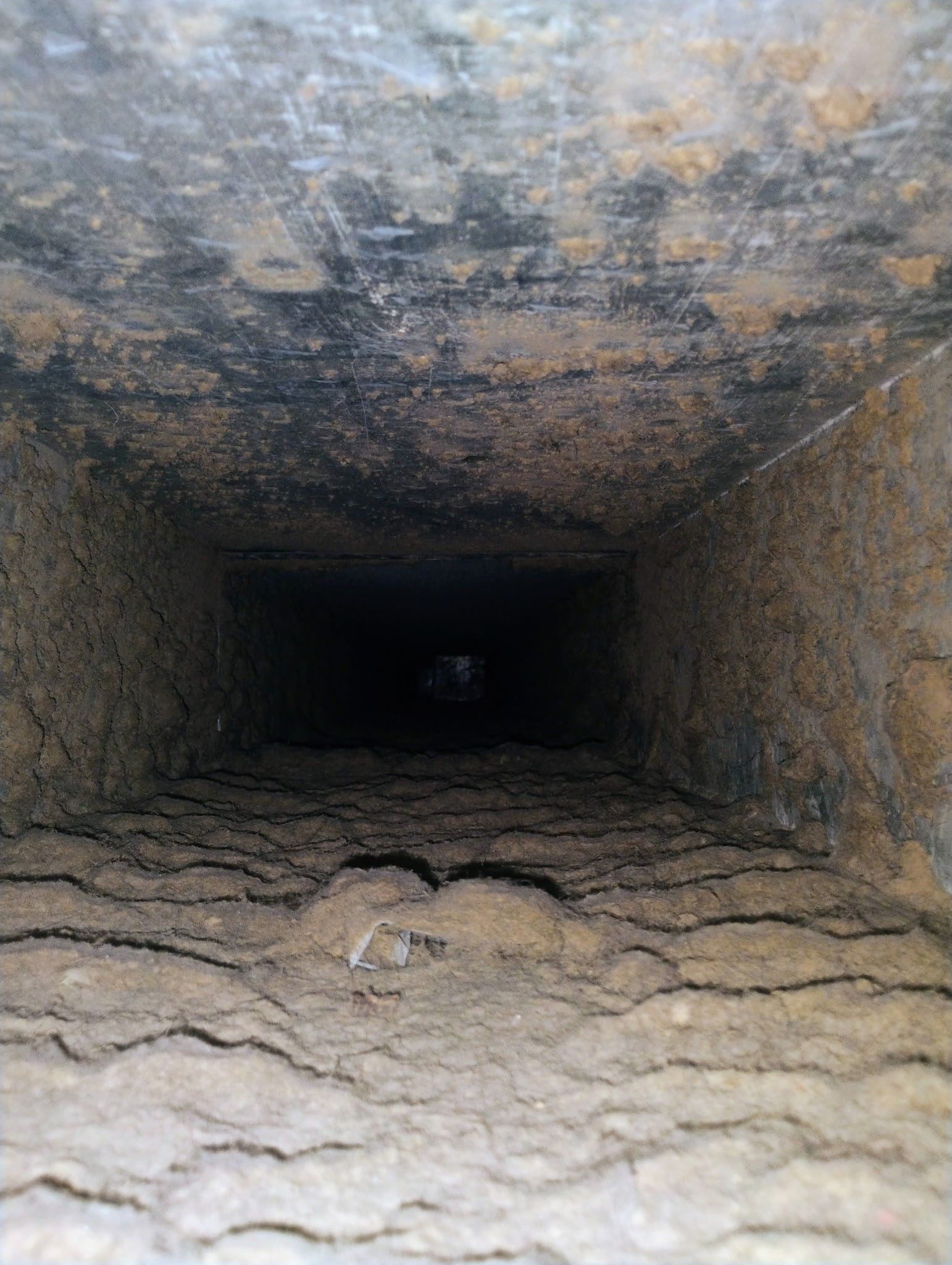
A practical, seasonal checklist for Wisconsin homes and businesses—plus the warning signs your ductwork needs a professional cleaning.
Spring in Wisconsin is when people notice two things at once: dust and allergies. If your HVAC system is cycling more as temperatures swing, whatever’s inside your ductwork gets a fresh opportunity to circulate.
This isn’t about obsessing over spotless vents. It’s about keeping your air system running clean, efficient, and predictable—especially after a long heating season.
If you want the professional route (recommended when the signs show up), start here:
- Air Duct Cleaning (Residential + General): https://www.whatsinyourducts.com/air-duct-cleaning-company-wisconsin-madison-milwaukee-appleton-green-bay-marinette-wausau
- Commercial Air Duct Cleaning: https://www.whatsinyourducts.com/commercial-air-duct-cleaning-company-wisconsin-madison-milwaukee-appleton-green-bay-marinette-wausau
Why spring is the right time to focus on ducts and vents
Winter pushes your system hard: longer runtimes, closed windows, and constant airflow through the same duct lines. By spring, many homes and facilities have:
- More noticeable dust on surfaces
- Musty or stale odors when the system kicks on
- Allergy symptoms that spike indoors
- Uneven airflow between rooms/zones
Spring is also ideal because it’s a reset point—you can fix airflow and cleanliness before summer cooling season ramps up.
The spring duct & vent checklist (DIY, low-risk steps)
These steps won’t replace a proper duct cleaning, but they will reduce surface-level buildup and help you spot issues early.
1) Replace your HVAC filter—and do it correctly
- Use the correct size and seat it tightly (gaps defeat the purpose).
- If you’re in a high-pollen area or have pets, consider changing filters more often in spring.
2) Vacuum supply vents and return grilles
- Remove grilles and vacuum visible dust from the register opening.
- Use a soft brush attachment to avoid scratching paint or bending fins.
- Wipe grilles with mild soap and water; let them dry fully before reinstalling.
3) Check returns for “dust mats”
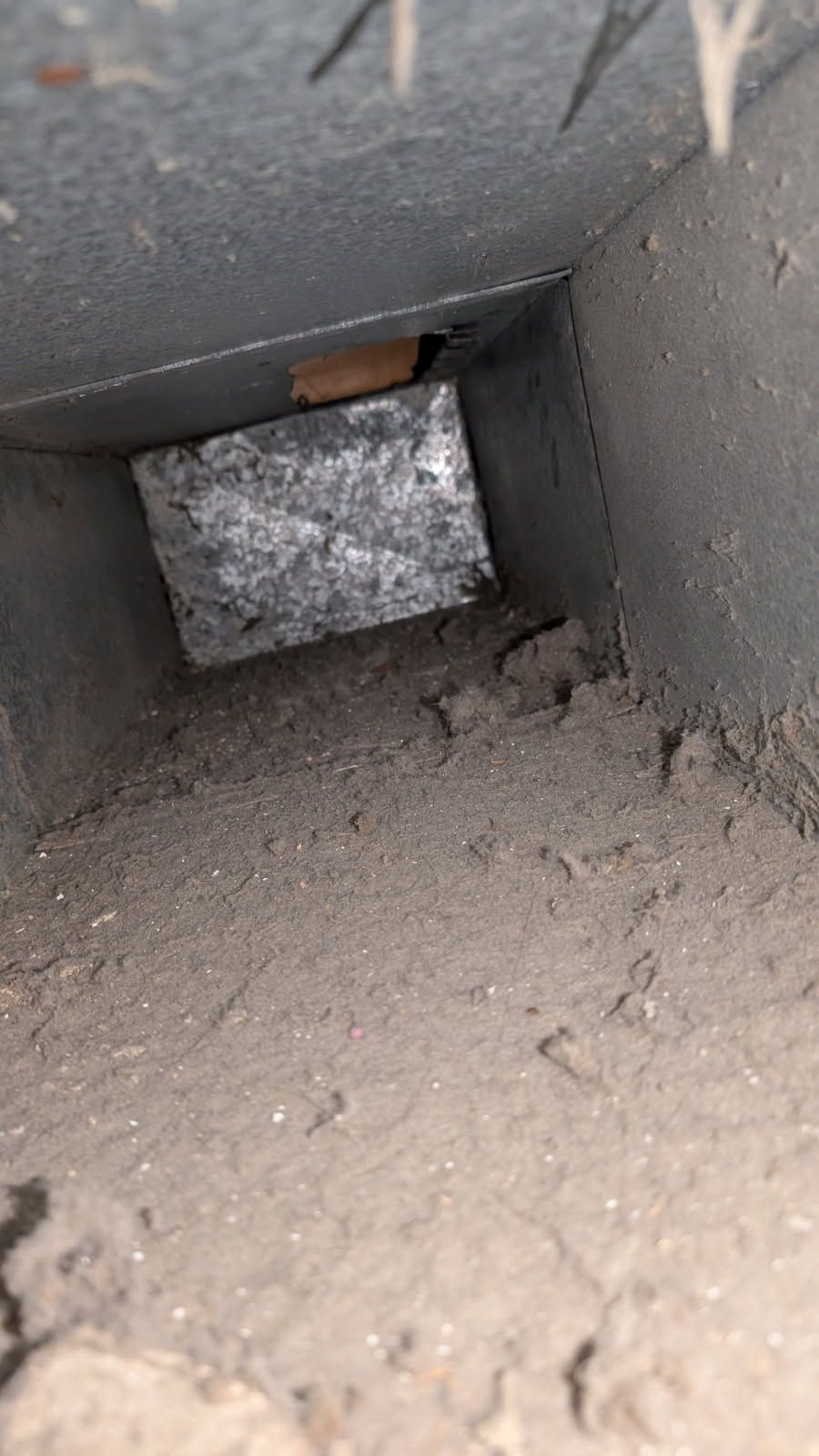
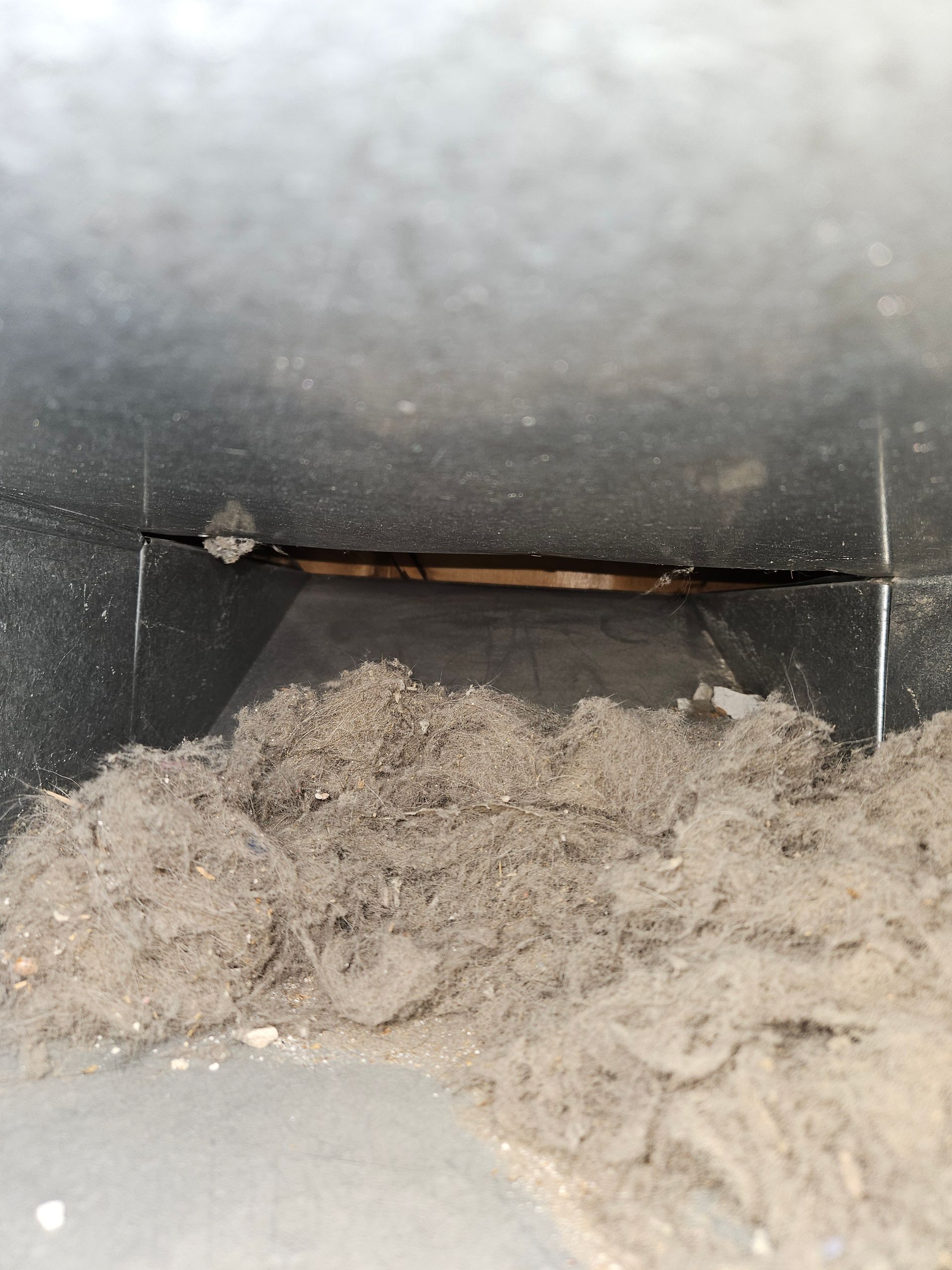
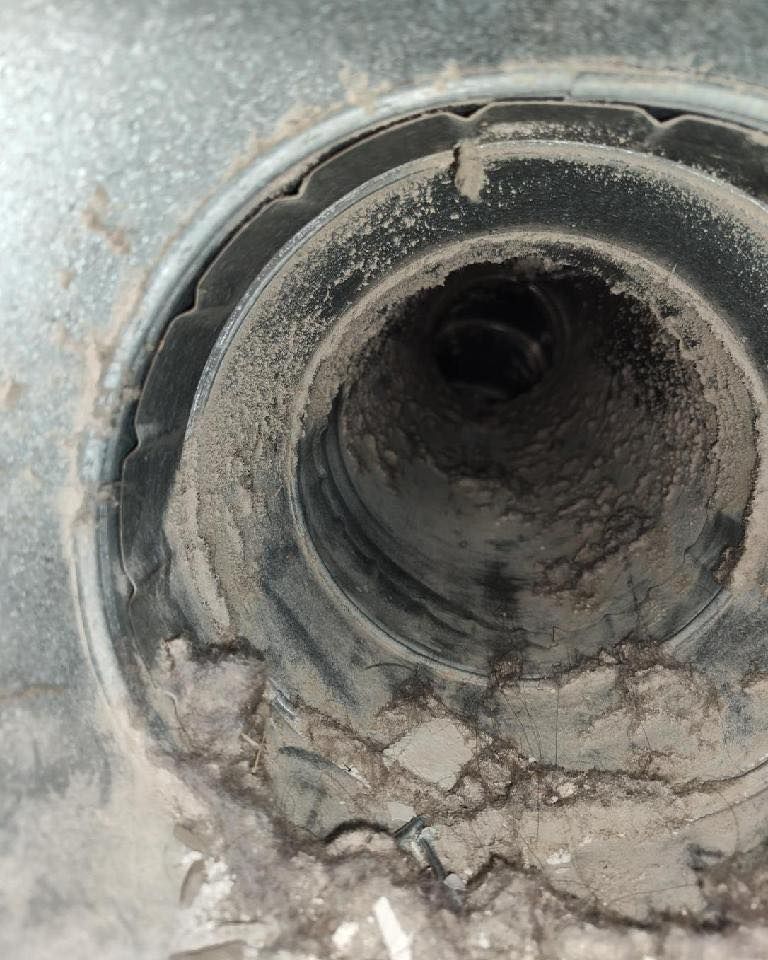
Return ducts are where the system “pulls” air back. If you see thick lint-like buildup at returns, that’s a useful signal—not just a cosmetic issue.
4) Confirm airflow room-to-room
Basic test: hold a tissue near a supply register. If airflow is weak in certain rooms, you may have:
- Obstructions
- Loose/disconnected duct sections
- Dampers set incorrectly
- Heavy buildup restricting flow
5) Inspect visible duct sections (basement/utility rooms)
Look for:
- Loose joints and missing tape/seals
- Condensation or moisture staining
- Evidence of pests (droppings, nesting material)
If anything here looks off, you’re already beyond “spring cleaning” and into “system problem” territory.
The “signs you need duct cleaning” — spring edition
Here’s the seasonal repurpose: spring makes existing problems obvious because airflow increases and pollen is already irritating people.
Sign #1: Dust comes back fast—no matter how much you clean
If surfaces look dusty again within a day or two, your system may be distributing buildup.
Sign #2: You smell musty air when the HVAC starts
That first spring run can reveal odors trapped in the system or duct lines.
Sign #3: Allergy symptoms are worse indoors than outdoors
Not always duct-related, but it’s a red flag worth taking seriously.
Sign #4: Visible buildup at vents/returns
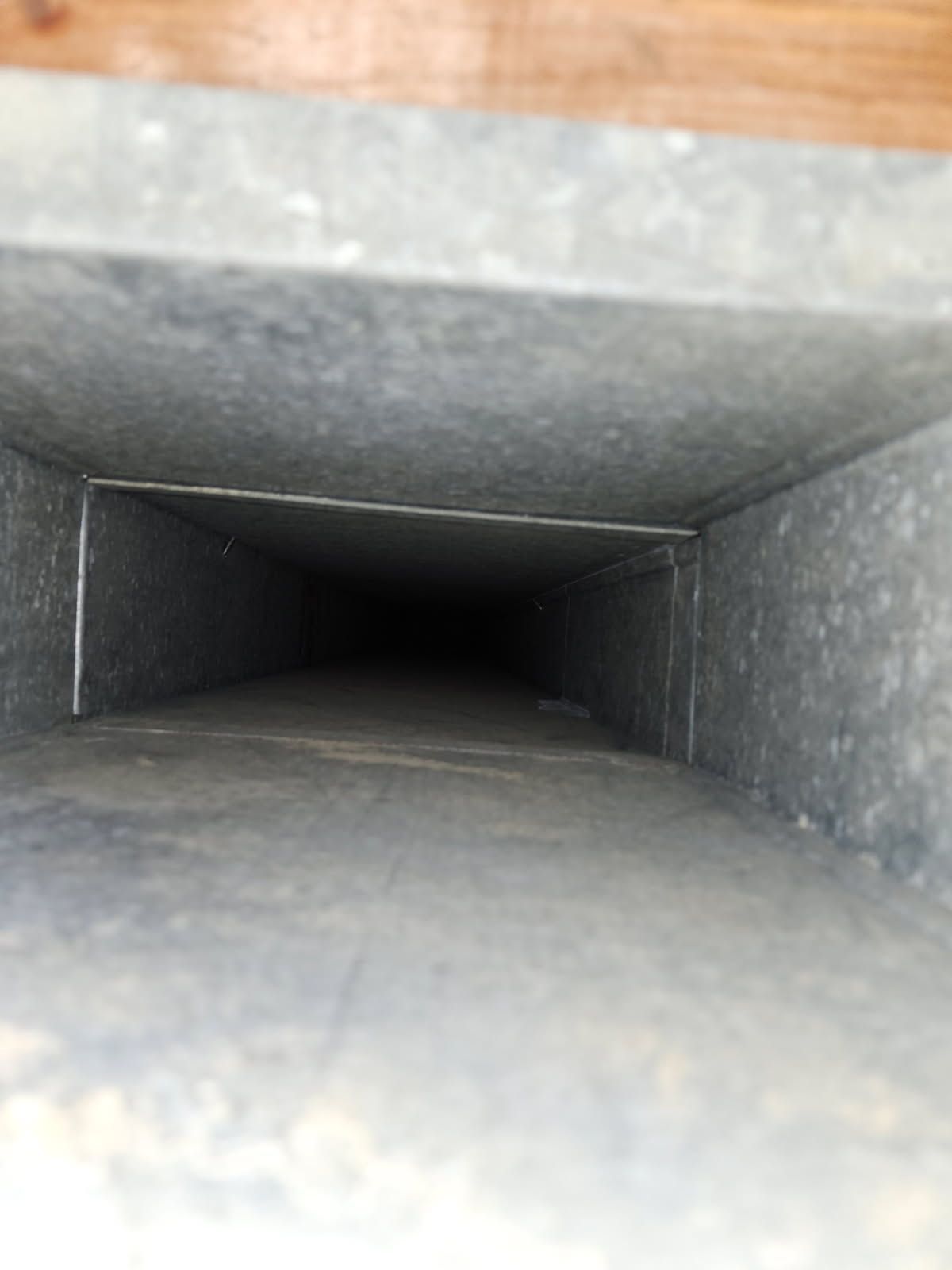
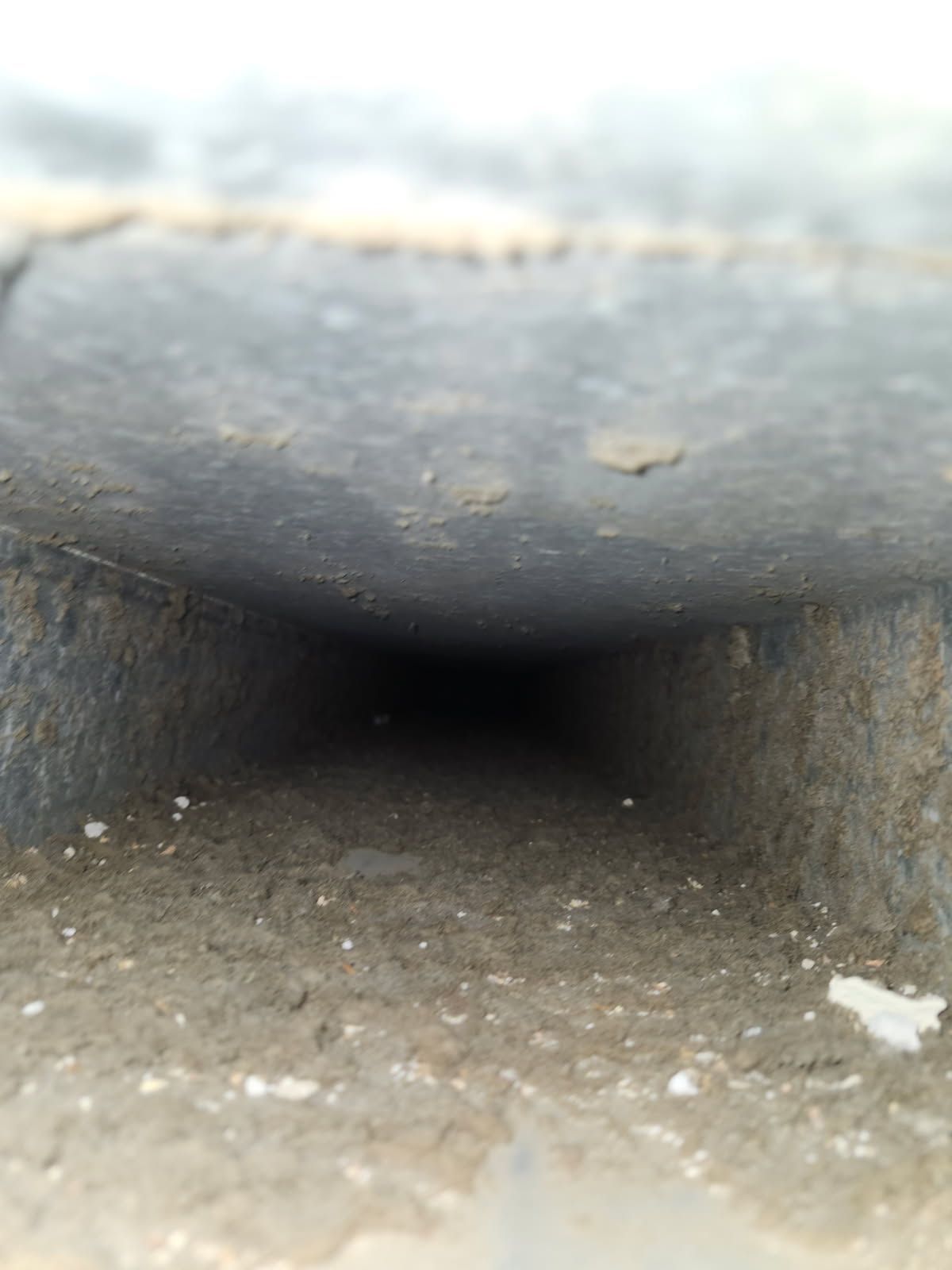
If you can see heavy debris at the openings, assume there’s more further inside.
Sign #5: You’ve remodeled, sanded, or had construction dust
Fine particulates travel and settle throughout duct runs—especially after flooring work, drywall, or sanding.
When these signs stack up, DIY won’t get you the result you actually want.
What professional duct cleaning does that DIY cannot
A legitimate duct cleaning is not “vacuum around the registers.” It’s a controlled, system-level process designed to extract debris from deep inside the ductwork, not just make vents look better.
Wisconsin Natural Air Duct Cleaning focuses on full-system cleaning and provides statewide service coverage:
- Service Area: https://www.whatsinyourducts.com/service-area
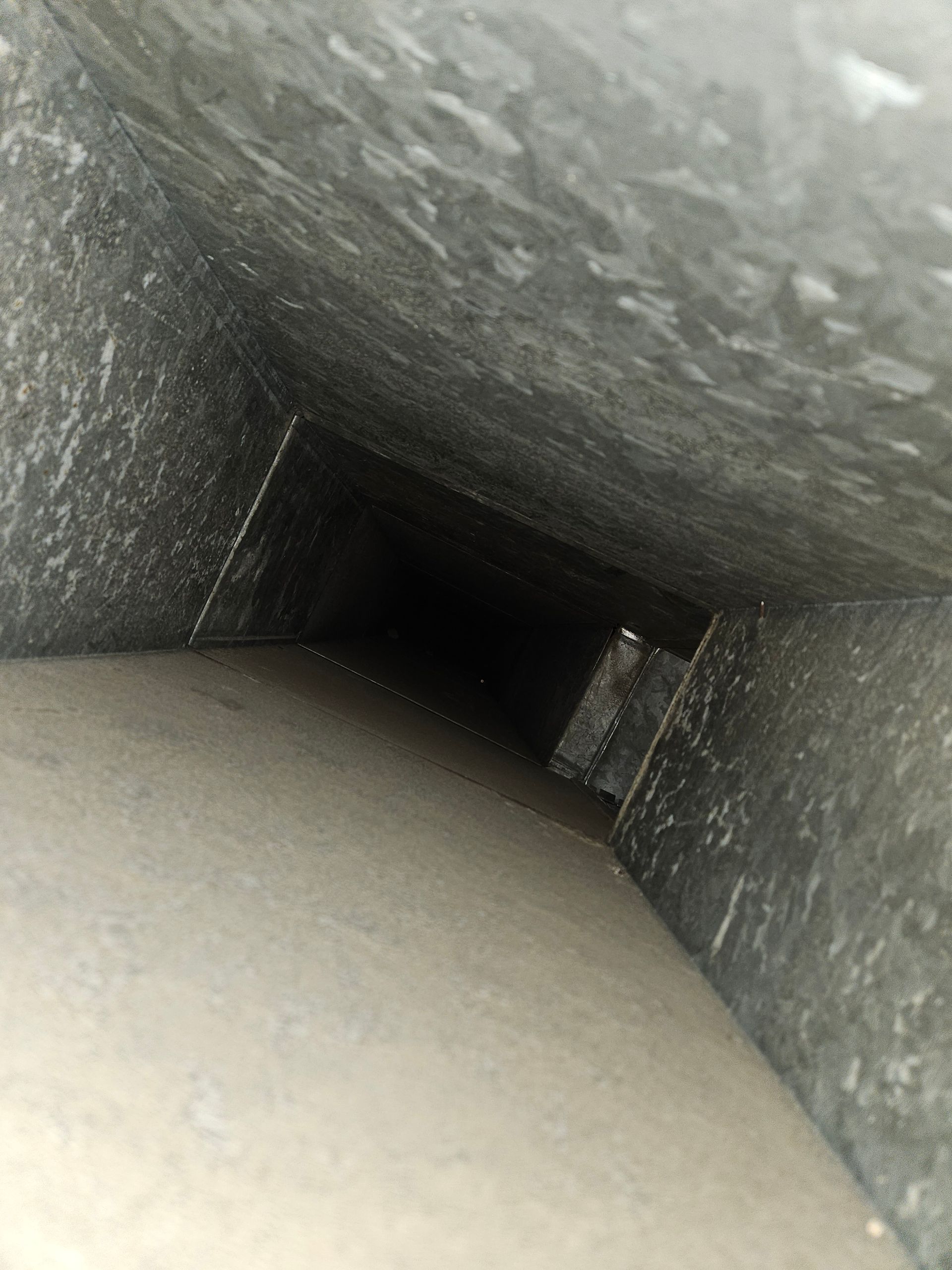
- Project Gallery (before/after): https://www.whatsinyourducts.com/project-gallery-air-duct-cleaning
If you’re managing a facility, commercial duct systems require a different scope and scheduling approach:
- Commercial Services: https://www.whatsinyourducts.com/commercial-air-duct-cleaning-company-wisconsin-madison-milwaukee-appleton-green-bay-marinette-wausau
Spring-specific vent and air tips for businesses
For offices, retail spaces, and multi-zone buildings, spring is a good time to:
- Address odor complaints before customers notice
- Reduce dust that settles on merchandise, electronics, or displays
- Improve airflow comfort across zones (hot/cold spot complaints)
Commercial systems often run longer hours, serve more occupants, and accumulate more particulate load—so spring cleaning can be a preventative operations move, not a reactive one.
When to stop DIY and call a pro
Call for an estimate if:
- Odors persist after filter changes and basic cleaning
- Dust is constant and unexplained
- You see visible debris buildup at returns
- Your system has airflow imbalances that don’t improve
- You’ve had recent construction/remodeling dust
Bottom line
Spring is the best time to take control of your indoor air—because the signs are easiest to spot, and the payoff carries into summer. Do the basics, watch for the warning signs, and if those red flags show up, don’t waste months fighting dust and irritation with surface-level fixes.
If you want professional duct cleaning anywhere in Wisconsin, Wisconsin Natural Air Duct Cleaning is the direct route.