
Seasonal Allergy Primer: Does Your Air System Help—or Hurt?
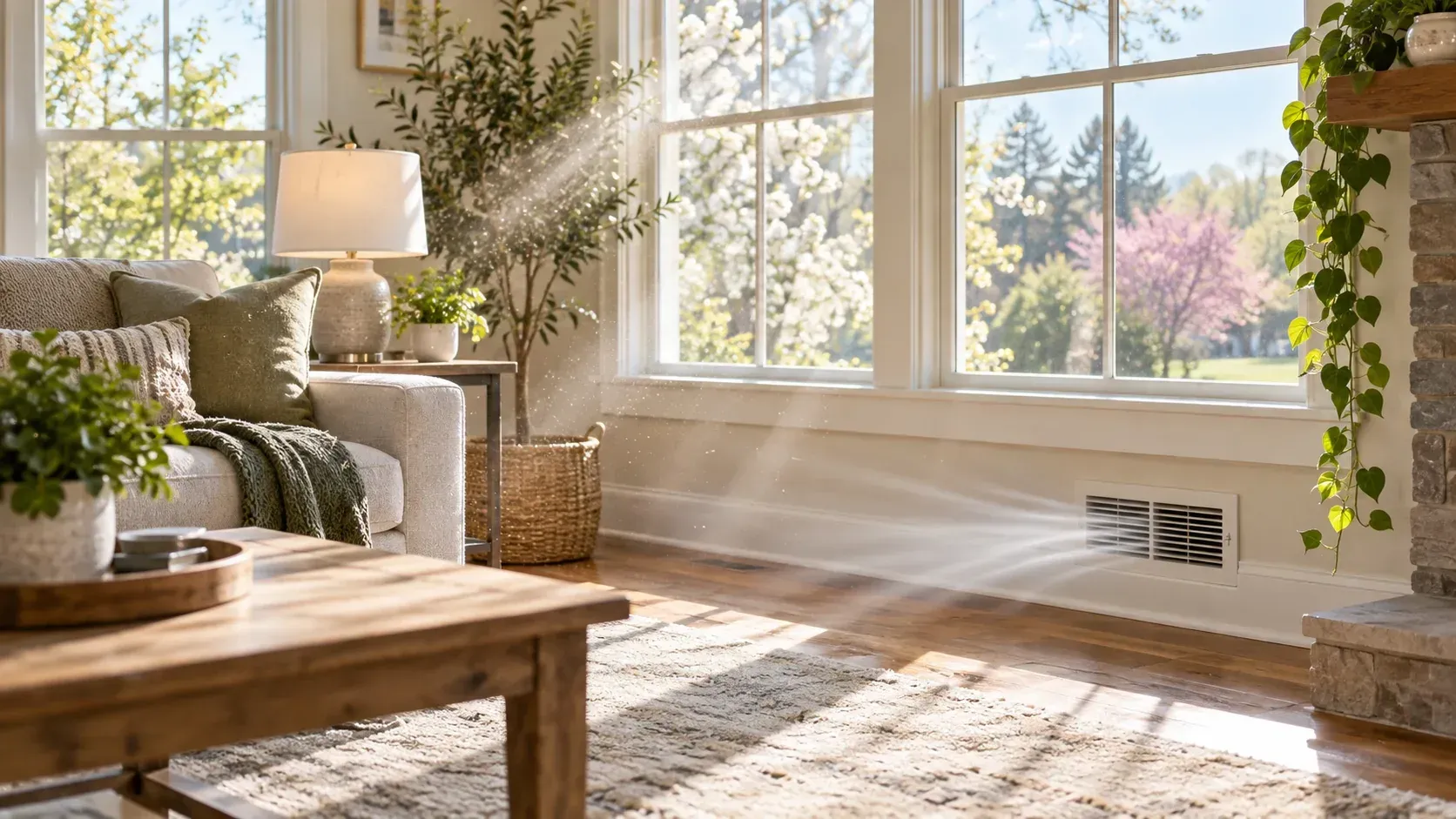
Your HVAC system can either support cleaner indoor air or keep circulating dust, pollen, pet dander, and other allergy triggers through your home.
Seasonal allergies are not just an outdoor problem. Pollen may start outside, but once it enters your home on shoes, clothing, pets, open windows, and daily traffic, it can settle into carpets, furniture, vents, returns, and ductwork. Then your HVAC system can pick those particles back up and move them from room to room.
That is why your air system matters. A clean, well-maintained HVAC system can help support better indoor air quality. A dirty system can do the opposite by recirculating dust, allergens, pet dander, and debris every time the furnace or AC runs.
For Wisconsin homeowners, this is especially important because our homes spend long stretches closed up during winter, then shift quickly into spring pollen, summer humidity, and fall allergy season.
Why indoor air matters during allergy season
Many people focus only on outdoor pollen counts, but indoor air quality deserves just as much attention. The EPA notes that indoor levels of some pollutants can average 2 to 5 times higher than outdoor levels, which makes the air inside your home a real part of the allergy conversation. US EPA
That does not mean your ductwork is the only source of allergy symptoms. Allergens can come from pets, dust mites, mold, pollen, pests, fabrics, carpets, and moisture issues. But your HVAC system is important because it moves air throughout the home.
If that air is moving through dirty ducts, dusty returns, clogged filters, or contaminated vents, the system may be helping spread the very particles you are trying to avoid.
Common allergy triggers that collect indoors
Seasonal allergies often overlap with indoor irritants. That makes it hard to tell what is really causing the problem.
Common indoor triggers include:
- Pollen brought in from outside
- Pet dander
- Dust and dust mite debris
- Mold spores from moisture-prone areas
- Fine debris from remodeling or home projects
- Dirt and particles pulled into return vents
- Fragrances, sprays, and harsh cleaning residues
The CDC lists dust mites, mold, pet allergens, pollen, and other indoor exposures as common asthma and allergy-related triggers, especially for sensitive people. CDC
That is why seasonal allergy control should not stop at antihistamines and closed windows. Your home’s air system needs attention too.
How your HVAC system can help
Your HVAC system can help your indoor air when it is maintained correctly. Good filtration, clean returns, proper airflow, humidity control, and professional duct cleaning all work together.
A helpful system should:
- Pull air through a clean, properly fitted filter
- Move air evenly through the home
- Keep return vents clear and unobstructed
- Avoid spreading musty odors
- Reduce visible dust circulation
- Support consistent airflow room to room
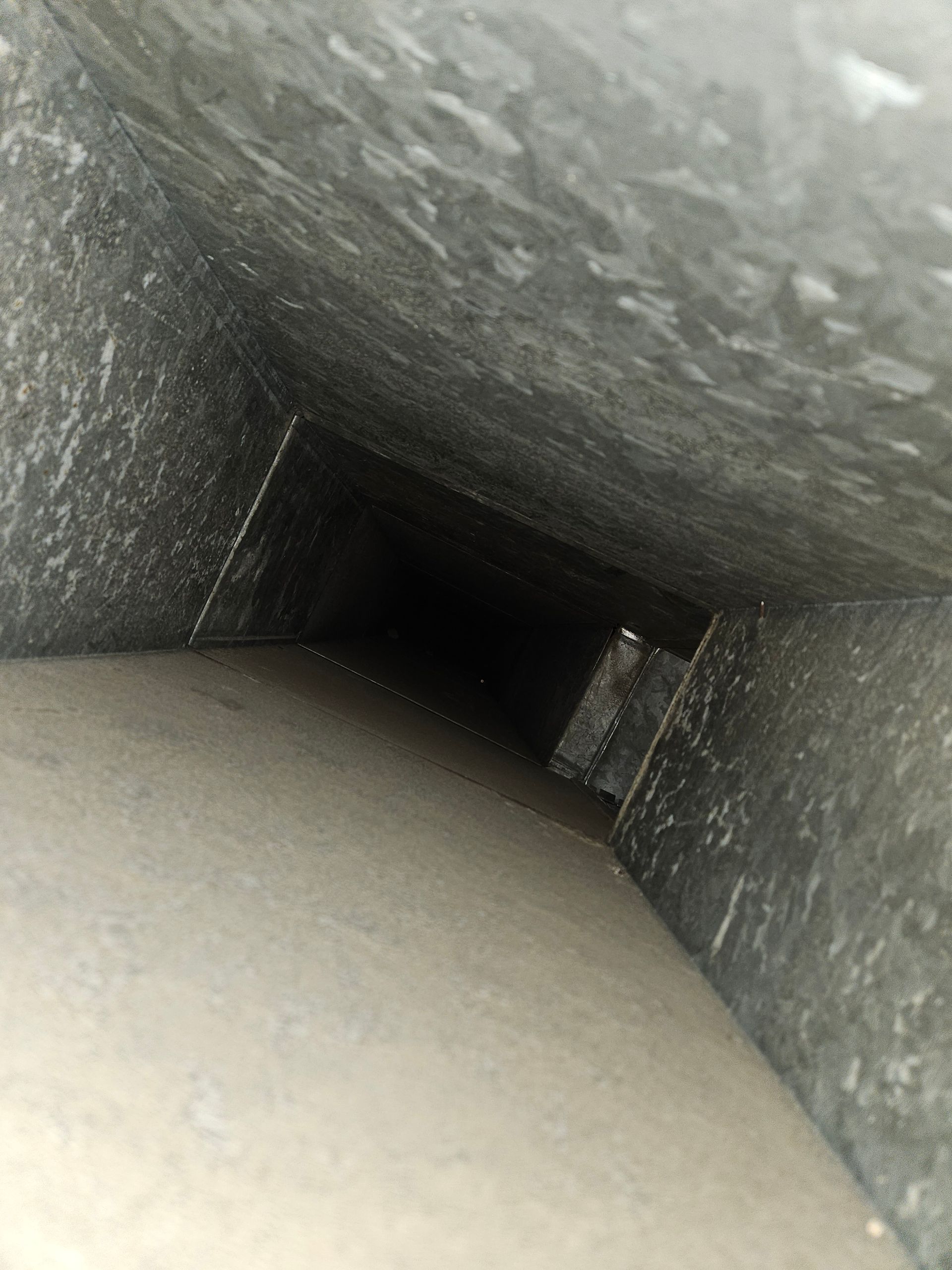
This is where air duct cleaning in Wisconsin becomes part of the bigger indoor air quality plan. Cleaning the ducts does not eliminate every allergen in a home, but it can remove built-up dust, debris, pet dander, and particles from areas normal cleaning cannot reach.
How your HVAC system can hurt
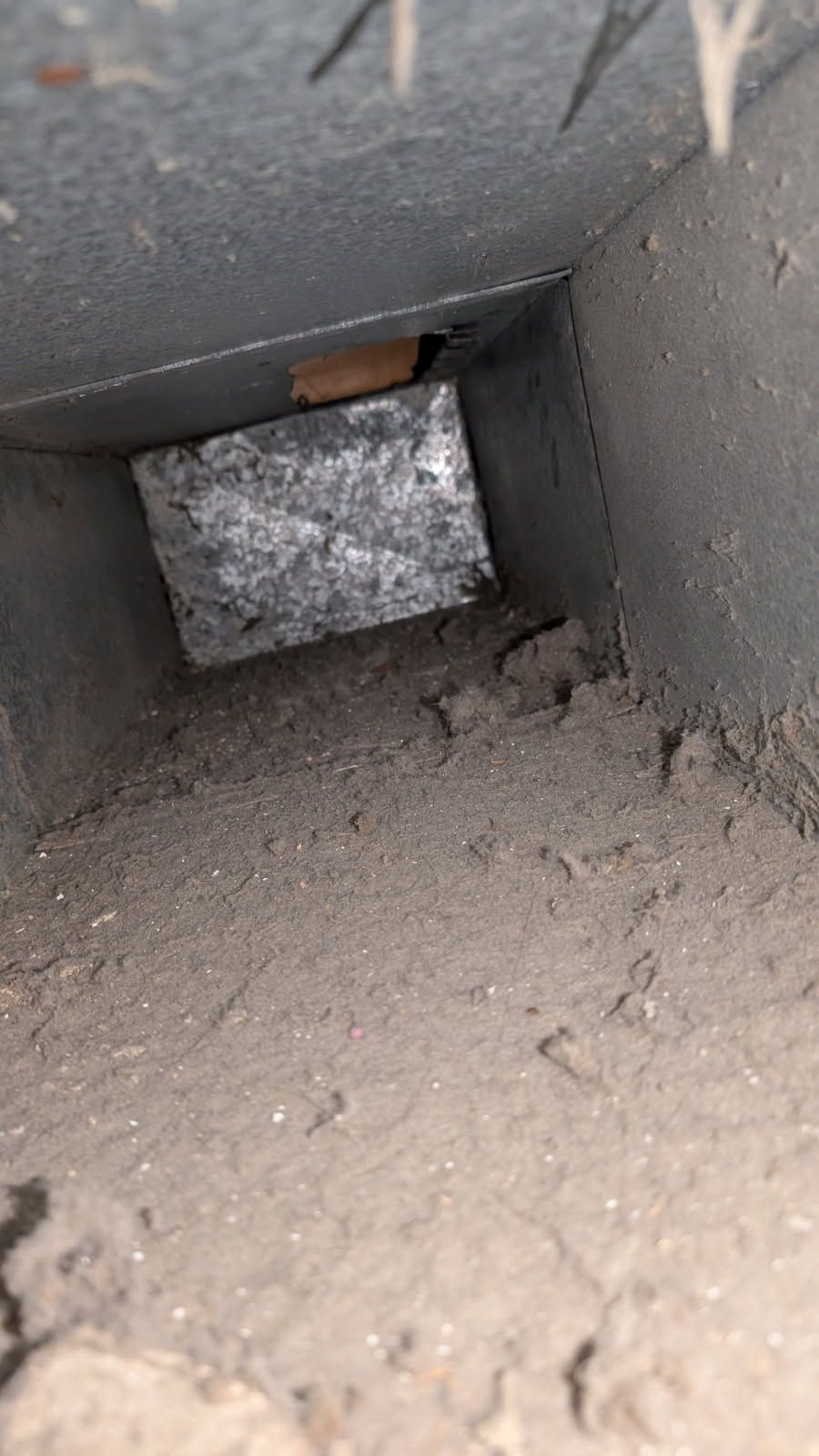
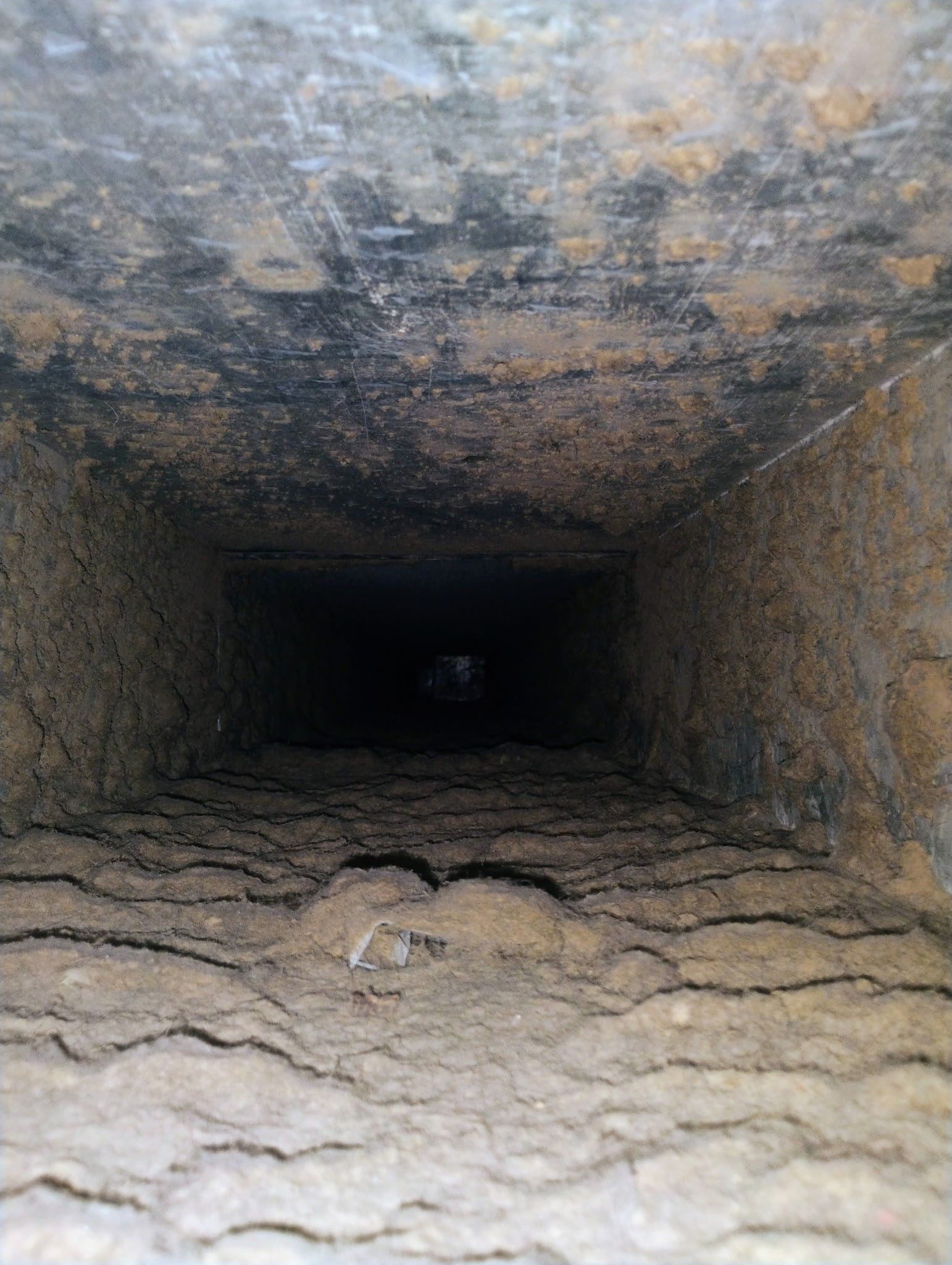
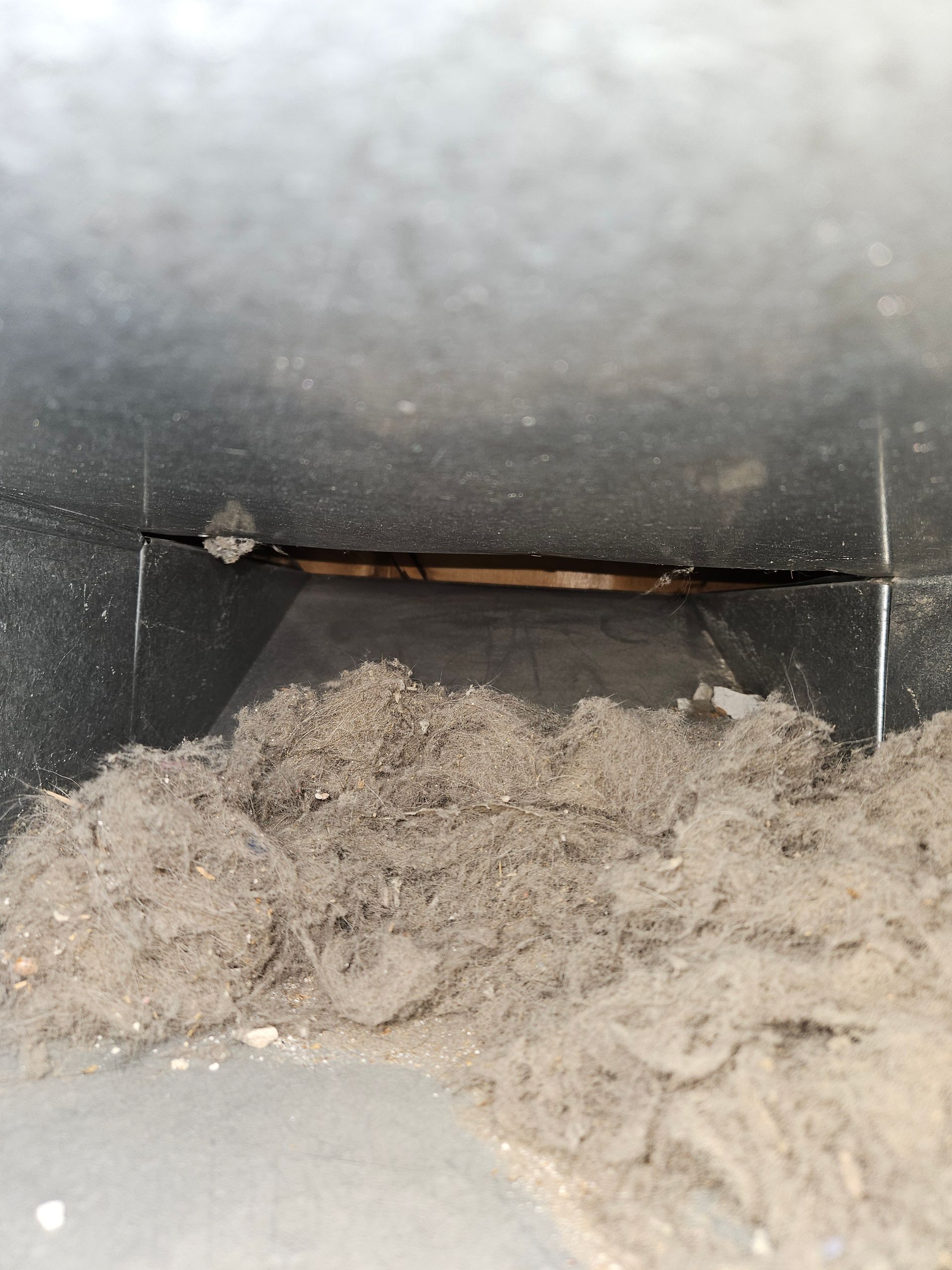
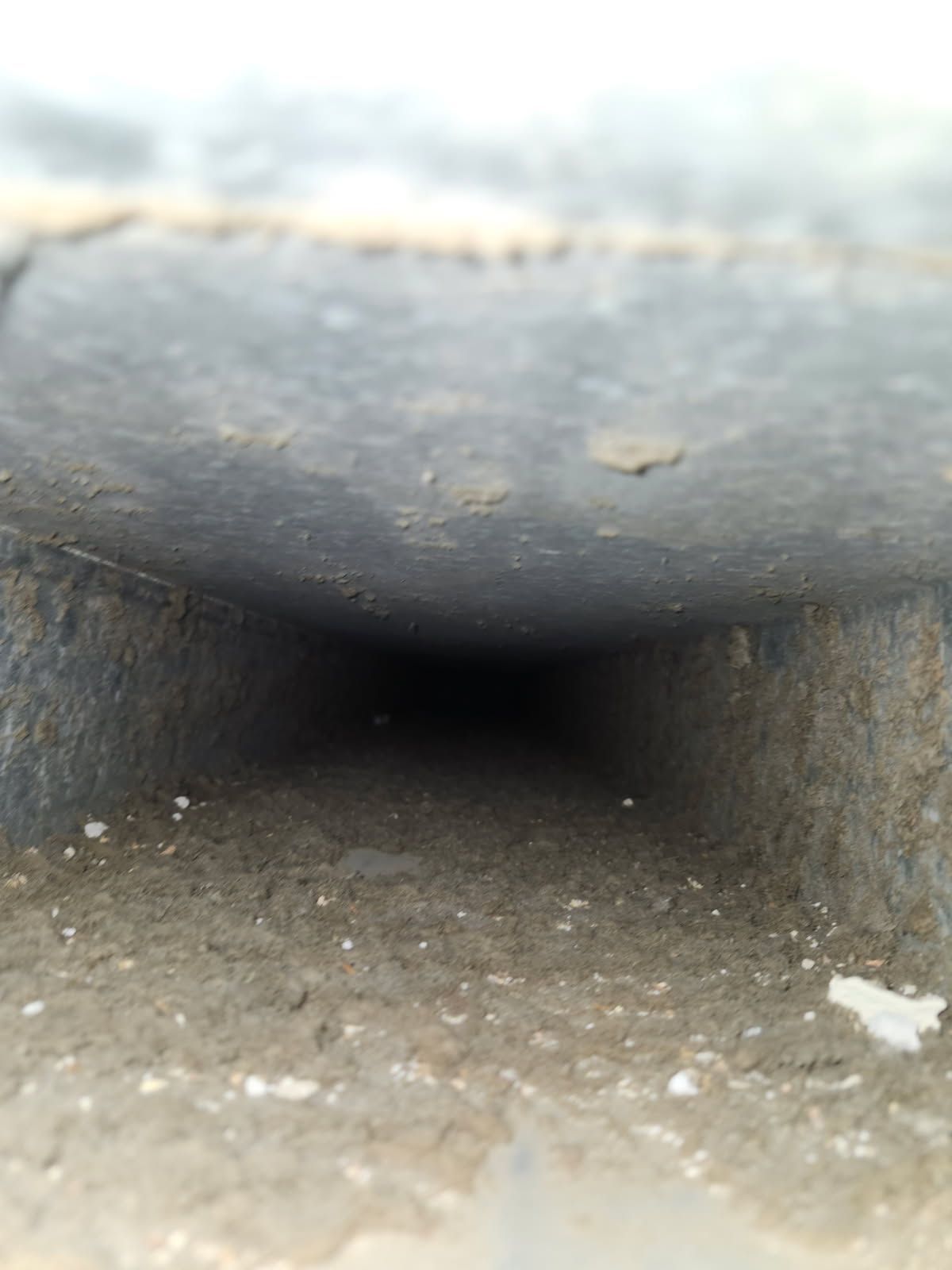
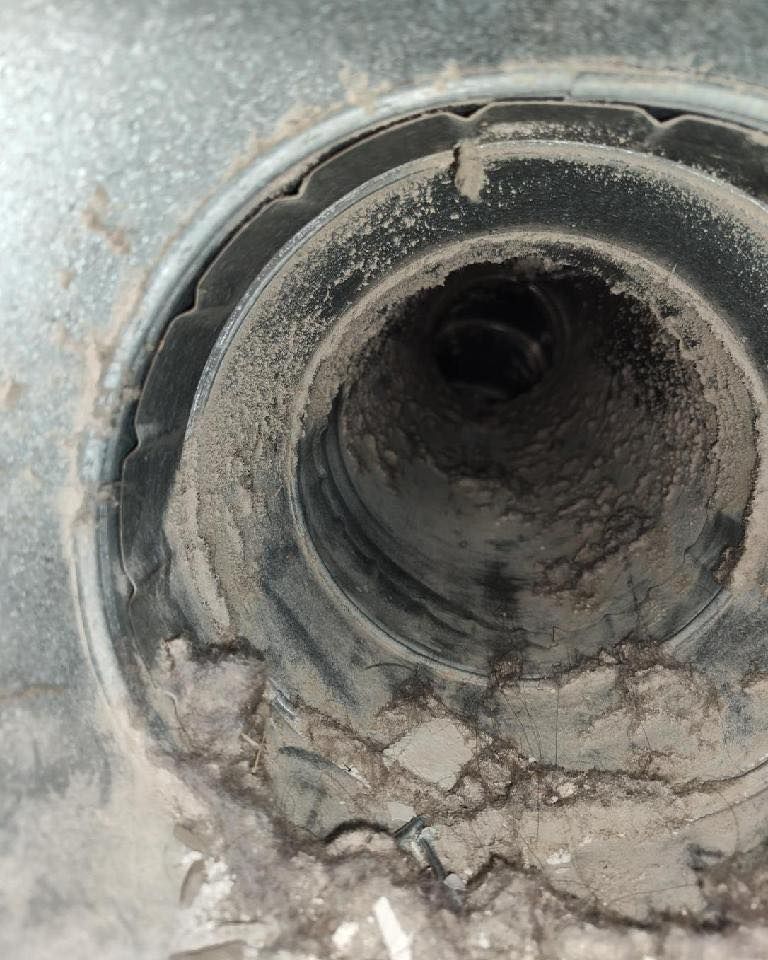
A neglected air system can make allergy season feel worse indoors. If filters are dirty, returns are dusty, vents are coated with buildup, or ductwork has years of debris inside, your HVAC system may keep recirculating particles.
Warning signs include:
- Dust returns quickly after cleaning
- Allergy symptoms feel worse inside than outside
- Musty odors appear when the AC or furnace starts
- Dust or debris is visible around vents and returns
- Some rooms feel stuffy or weak on airflow
- HVAC filters clog faster than expected
- You have pets and shedding is noticeable
- You recently remodeled or had construction dust in the home
The filter mistake many homeowners make
Filters matter, but more is not always better.
A higher-efficiency filter can capture smaller particles, but it also needs to match the HVAC system. If the filter is too restrictive for the equipment, it can reduce airflow and make the system work harder. The EPA says homeowners who upgrade filters should choose at least MERV 13 or the highest-rated filter the system fan and filter slot can accommodate. US EPA
The practical advice is simple:
- Use the correct filter size
- Make sure the filter fits tightly
- Replace it regularly
- Upgrade only as high as your system can handle
- Check it more often during allergy season, pet shedding, or wildfire smoke events
A dirty filter is not just ineffective. It can become part of the problem.
Duct cleaning and allergies: what it can and cannot do
Here is the honest answer: duct cleaning is not a medical treatment, and it does not guarantee allergy relief. Allergies are complex, and triggers can come from many places.
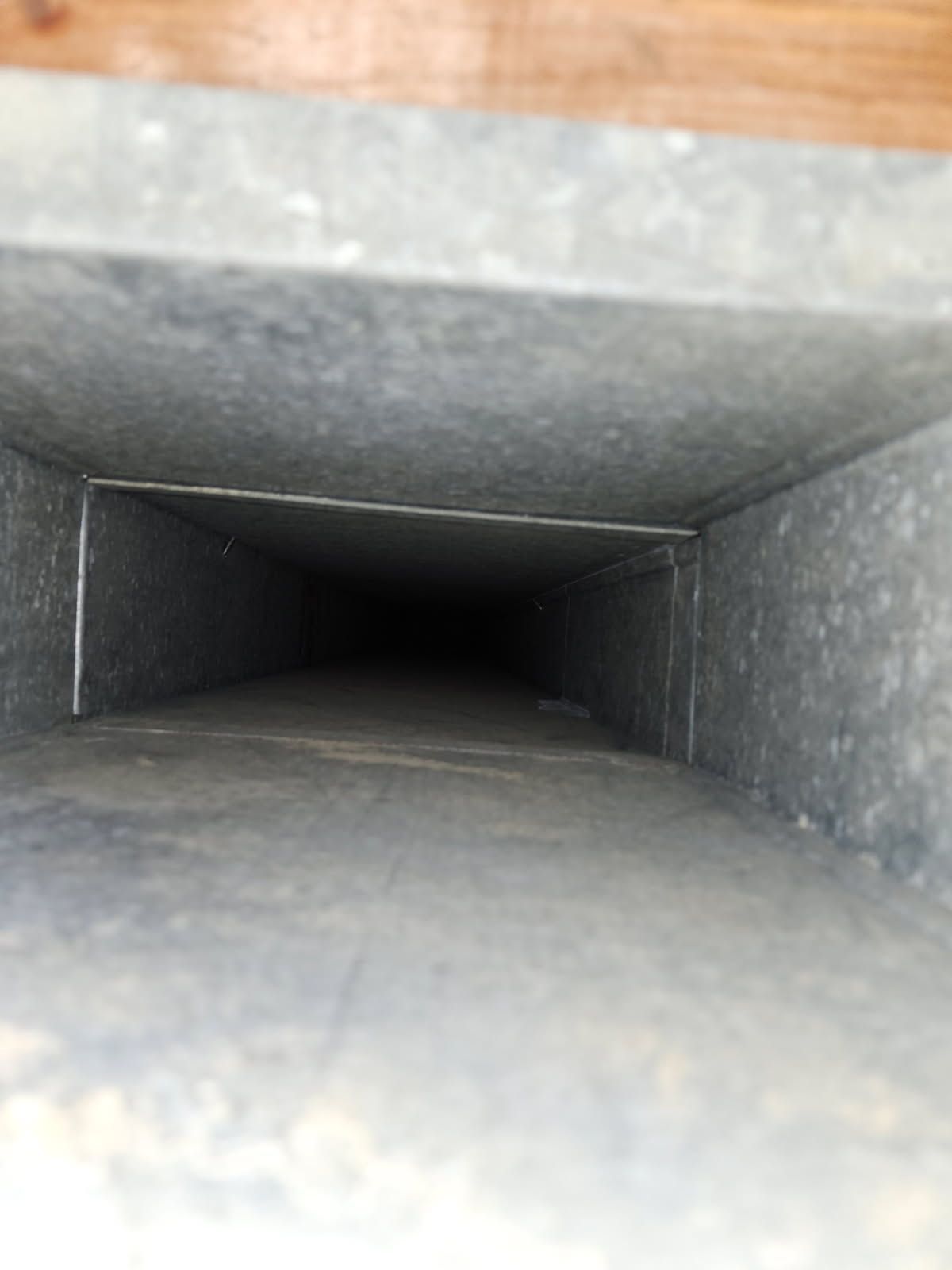
But duct cleaning can help remove built-up material inside the air distribution system. That matters when your ductwork contains years of dust, pet dander, pollen, debris, or remodeling particles.
Professional duct cleaning may help:
- Reduce dust circulating through the home
- Remove debris from return and supply ducts
- Improve airflow through cleaner pathways
- Reduce musty or stale air from dirty ducts
- Support a cleaner indoor environment
- Make HVAC maintenance more effective
Pet owners: your air system needs extra attention
Homes with pets need a more aggressive allergy-season strategy. Pet hair is visible, but pet dander is the bigger issue. It is lightweight, sticky, and can get pulled into return vents.
If you have dogs or cats, focus on:
- Changing filters more often
- Vacuuming return grilles
- Washing pet bedding regularly
- Using a HEPA vacuum when possible
- Keeping pet beds away from return vents
- Scheduling duct cleaning if dust and odors keep returning
Mold, moisture, and allergy season
Allergy problems can become worse when moisture is involved. Mold can grow in damp areas and may trigger symptoms for sensitive people. The CDC notes that mold exposure can be linked with upper respiratory symptoms, coughing, wheezing, and asthma symptoms in people with asthma. CDC
Duct cleaning is not a substitute for fixing moisture problems. If there is water intrusion, condensation, roof leakage, basement dampness, or HVAC drainage problems, the moisture source must be corrected first.
For Wisconsin homes, moisture issues often show up in:
- Basements
- Bathrooms
- Crawl spaces
- Around old ductwork
- Near poorly insulated areas
- After summer humidity spikes
- After flooding or water damage
Cleaner ducts help, but dry ducts matter just as much.
Seasonal checklist: help your air system work for you
Use this practical checklist during spring, summer, and fall allergy seasons.
1. Replace your HVAC filter
Start with the simplest step. A clean filter helps reduce new particles entering the system.
2. Clean return vents
Returns pull air into the system. If they are dusty, they are feeding dust into your HVAC.
3. Vacuum vent covers
Remove visible buildup from supply vents and return grilles.
4. Keep humidity under control
High humidity can make odors and indoor air quality issues worse.
5. Watch for airflow problems
Weak airflow can point to dirty components, blocked pathways, or HVAC issues.
6. Keep windows closed on high-pollen days
Fresh air is useful, but during allergy peaks, open windows may bring more pollen indoors.
7. Clean after remodeling
Drywall dust, sawdust, and flooring debris can settle inside ducts.
8. Schedule professional duct cleaning when signs stack up
If dust, odors, and allergy symptoms continue despite basic cleaning, it is time to look deeper.
Wisconsin homes have a unique allergy cycle
Wisconsin’s seasons create a tough indoor air pattern.
Winter keeps homes closed tight. Spring brings pollen and mud. Summer brings humidity and more AC runtime. Fall brings another allergy wave before heating season starts again.
That means Wisconsin homeowners are not dealing with one allergy season. They are dealing with a year-round air quality cycle.
Homes in Madison, Milwaukee, Green Bay, Appleton, Wausau, Janesville, Eau Claire, Oshkosh, and smaller Wisconsin communities can all experience the same core issue: when outdoor allergens and indoor dust collect in the home, the HVAC system can keep them moving.
Commercial buildings need allergy-season planning too
Offices, schools, clinics, churches, retail spaces, and municipal buildings can also struggle with allergy-related air complaints. More people means more particles brought indoors. Longer HVAC runtimes mean more air moving through the duct system.
Commercial properties should watch for:
- Employee or occupant comfort complaints
- Stale air
- Dust on desks and surfaces
- Odors when HVAC starts
- Uneven airflow
- Filters loading quickly
- Dust around ceiling vents and returns
The bottom line: your air system is part of allergy control
Your HVAC system can either help reduce allergy triggers or keep circulating them. Filters, humidity control, return vent cleaning, and professional duct cleaning all play a role.
If your home still feels dusty, stale, or irritating during allergy season, do not stop at surface cleaning. Look at the system moving air through the entire house.
Cleaner ductwork will not solve every allergy issue, but it can remove years of built-up dust, pollen, pet dander, and debris from the air pathways your home uses every day.
For Wisconsin homeowners and businesses, that makes duct cleaning a smart part of seasonal indoor air maintenance.