
Dust Accumulation During Heating Season: Prevention Tips for Wisconsin Homes
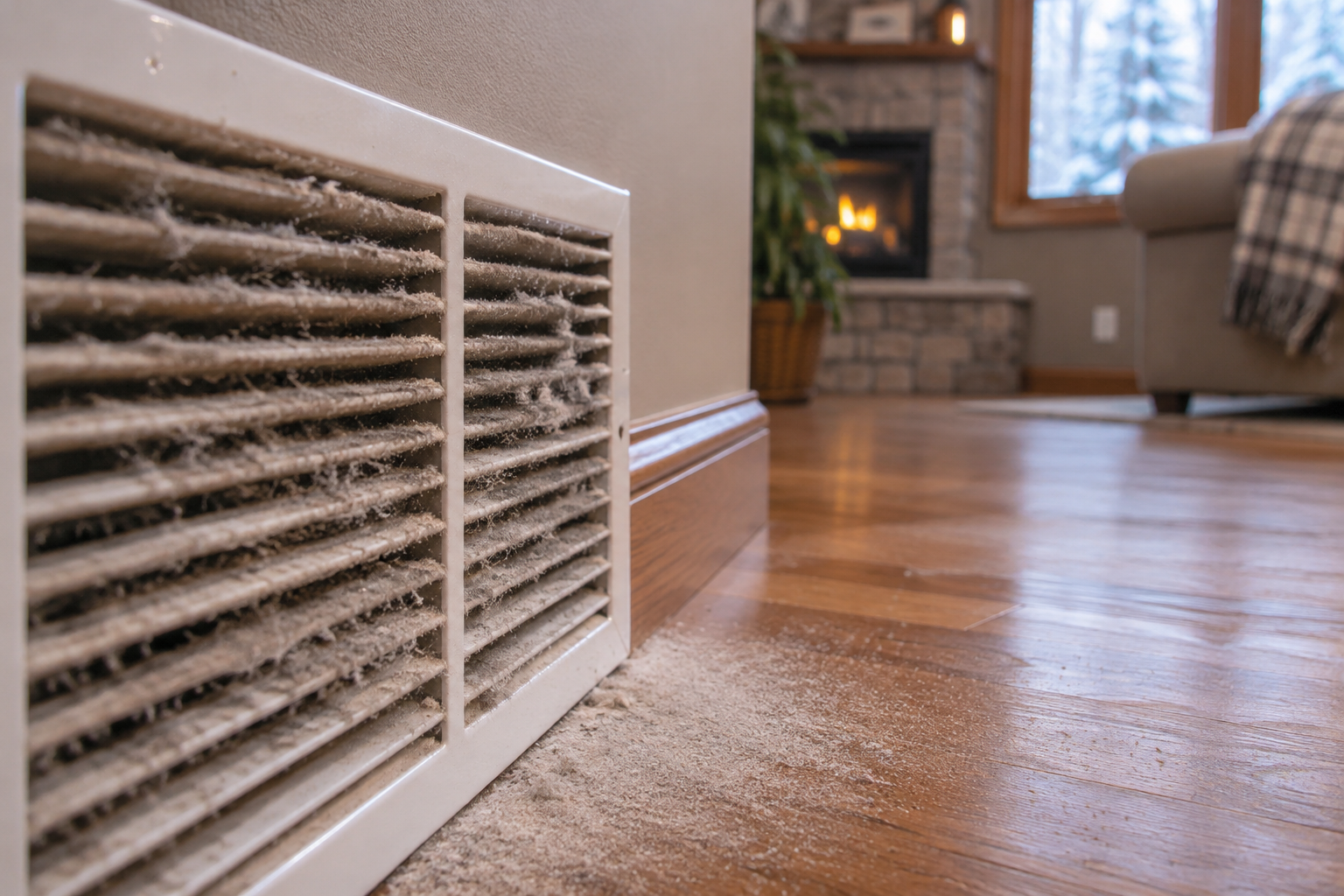
Why Wisconsin homes get dustier when the furnace starts running—and how proper HVAC maintenance, cleaner ductwork, and a few simple habits can help reduce winter dust.
As temperatures drop across Wisconsin, homeowners close their windows, turn up the heat, and prepare for another long heating season. But along with the warmth comes a familiar frustration: dust seems to collect everywhere.
You clean the furniture, vacuum the floors, and wipe down surfaces, only to notice another layer of dust a few days later. If this sounds familiar, your furnace and HVAC system may be contributing to the problem.
During Wisconsin's colder months, heating systems run frequently, circulating air throughout homes in Madison, Milwaukee, Green Bay, Appleton, Sheboygan, Manitowoc, and surrounding communities. When dust, pet dander, and other debris accumulate in the home or HVAC system, keeping indoor spaces clean becomes more challenging.
Understanding what causes winter dust buildup—and how to prevent it—can help you maintain a cleaner, more comfortable home throughout Wisconsin's heating season.
Why does your house get so dusty during winter?
One of the biggest differences between summer and winter is how much time we spend indoors with our windows closed.
During warmer months, opening windows can help ventilate the house. In winter, homes are typically sealed to conserve heat, and furnace fans circulate indoor air repeatedly.
Several factors contribute to increased dust accumulation during Wisconsin's heating season.
Your furnace runs more frequently
When outdoor temperatures drop below freezing, your heating system may operate for extended periods. As air travels through return vents, filters, ductwork, and supply registers, existing household dust can continue circulating.
If filters are clogged, ductwork is leaking, or the system contains significant debris, dust-related problems may become more noticeable.
Indoor air becomes drier
Wisconsin winters often bring low indoor humidity, especially when heating systems operate continuously. Dry indoor conditions can increase static electricity and make dust cling to furniture, electronics, and other household surfaces.
Homes stay closed for months
Keeping windows closed helps conserve energy, but it also limits natural ventilation. Dust from clothing, bedding, carpets, pets, and everyday activities can remain indoors unless it is captured by filtration or removed through cleaning.
Dust collects in hidden areas
Behind furniture, beneath beds, inside return grilles, and along HVAC components are common places where dust accumulates.
For a closer look at the causes of persistent household dust, read our article on why your house is suddenly so dusty.
1. Replace your furnace filter regularly
One of the simplest ways to manage winter dust is by keeping your furnace filter clean.
HVAC filters capture airborne particles before they reach sensitive system components. Depending on the filter type, they may also help reduce dust circulating through living spaces.
During Wisconsin's heating season, homeowners should inspect furnace filters monthly and replace them according to the manufacturer's recommendations.
Homes with pets, multiple occupants, or ongoing remodeling projects may need more frequent filter changes.
Consider these practical tips:
- Choose the correct filter size for your furnace.
- Make sure the filter fits securely without gaps.
- Use an appropriate filtration rating for your HVAC system.
- Check filters more frequently during heavy furnace use.
- Never operate your furnace without the required filter.
A dirty filter can restrict airflow and place unnecessary strain on your heating equipment.
2. Keep supply vents and return grilles clean
Your home's return vents draw air toward the HVAC system, while supply registers distribute heated air throughout individual rooms.
Over time, dust can accumulate around both types of openings.
Cleaning these areas regularly helps prevent surface buildup from becoming another source of airborne particles.
Start by vacuuming return grilles and supply registers with a soft brush attachment. Remove visible dust from accessible surfaces, and make sure furniture, rugs, and curtains are not blocking airflow.
Avoid pushing cleaning tools deep into the ductwork, where they could damage components or dislodge debris.
If you notice substantial dust accumulation beyond the register openings, consider having your ductwork inspected by a professional.
3. Pay attention to what's inside your air ducts
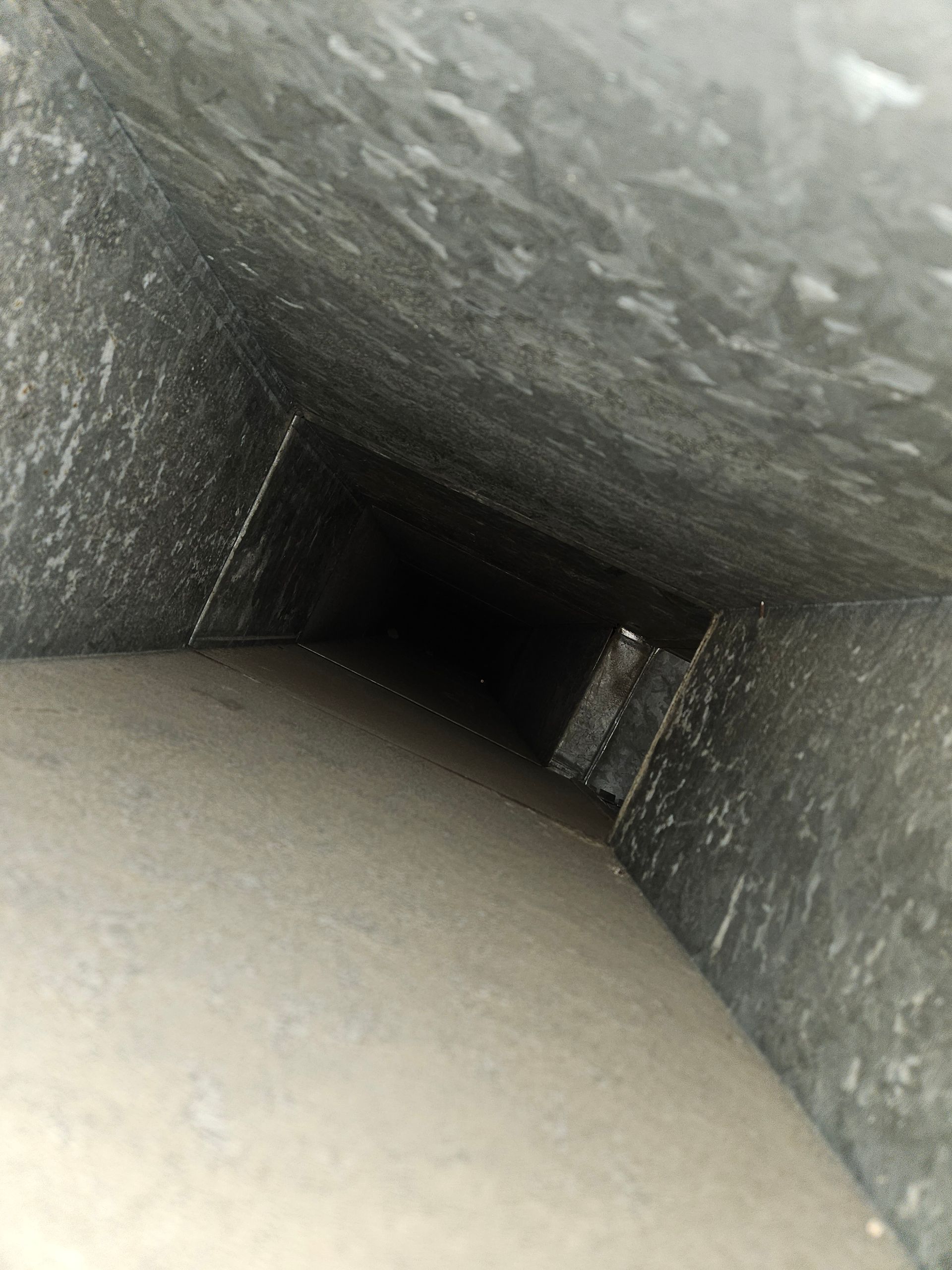
Most homeowners rarely think about the condition of their ductwork because it is hidden behind walls, ceilings, and floors.
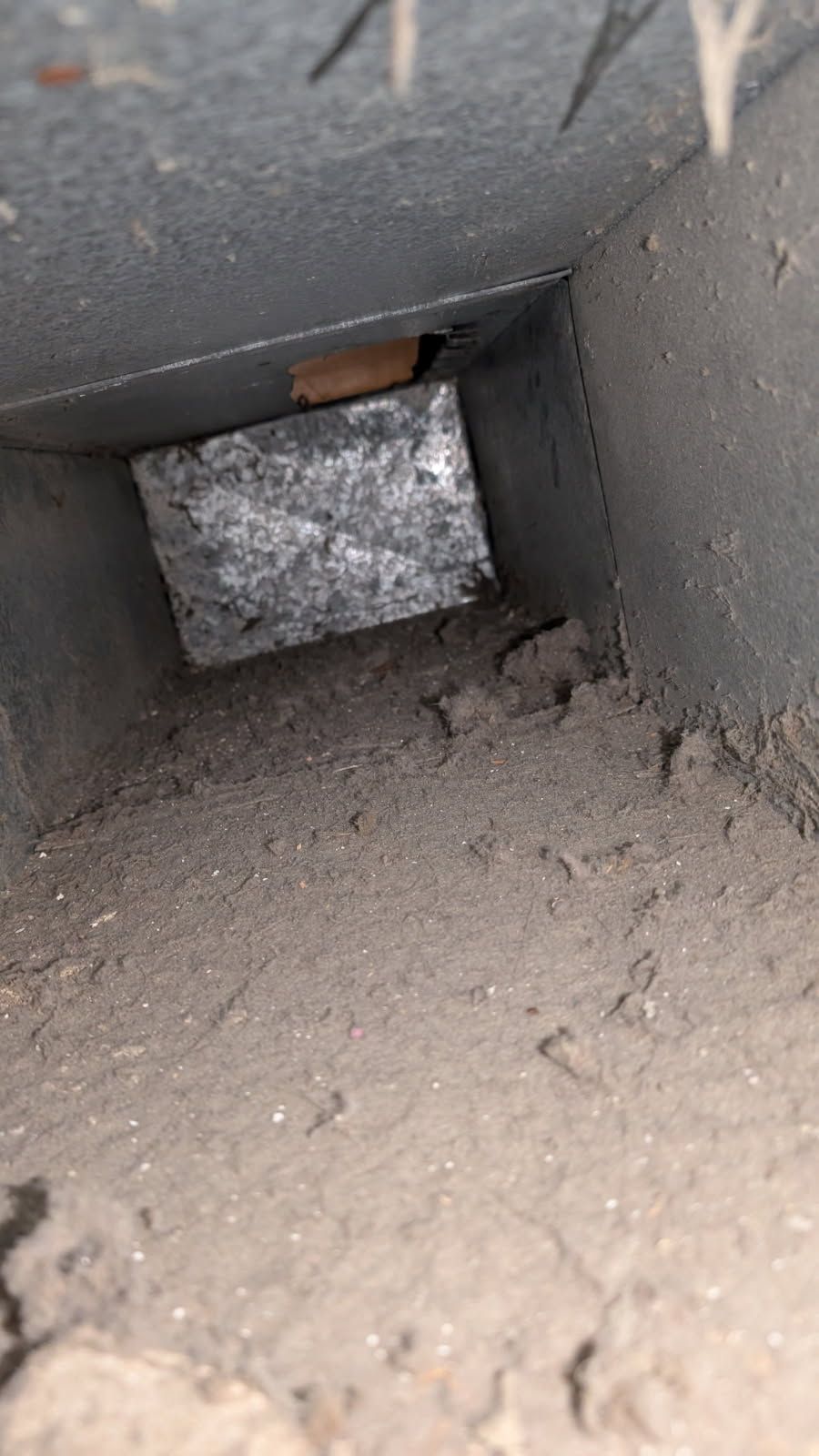
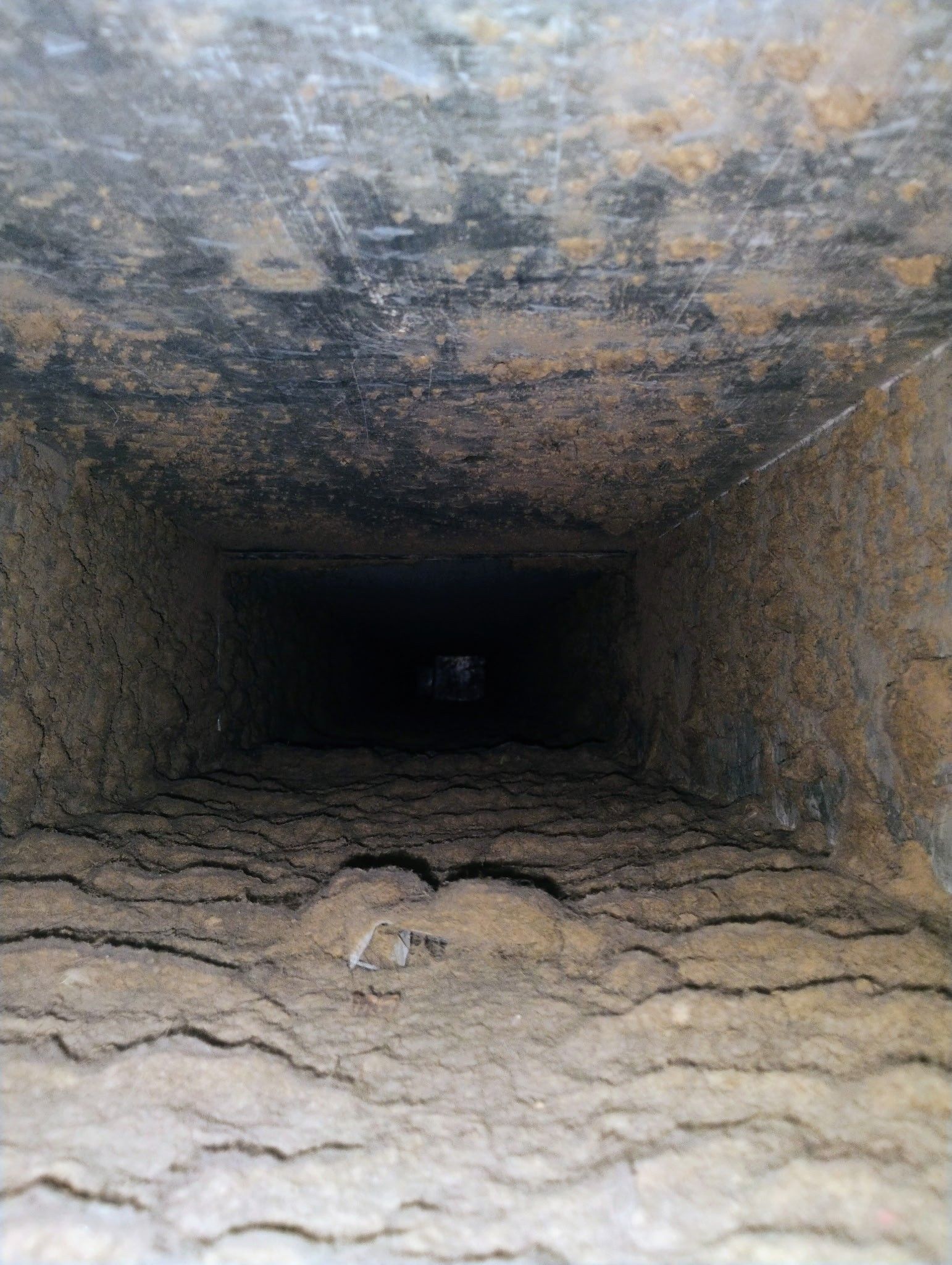
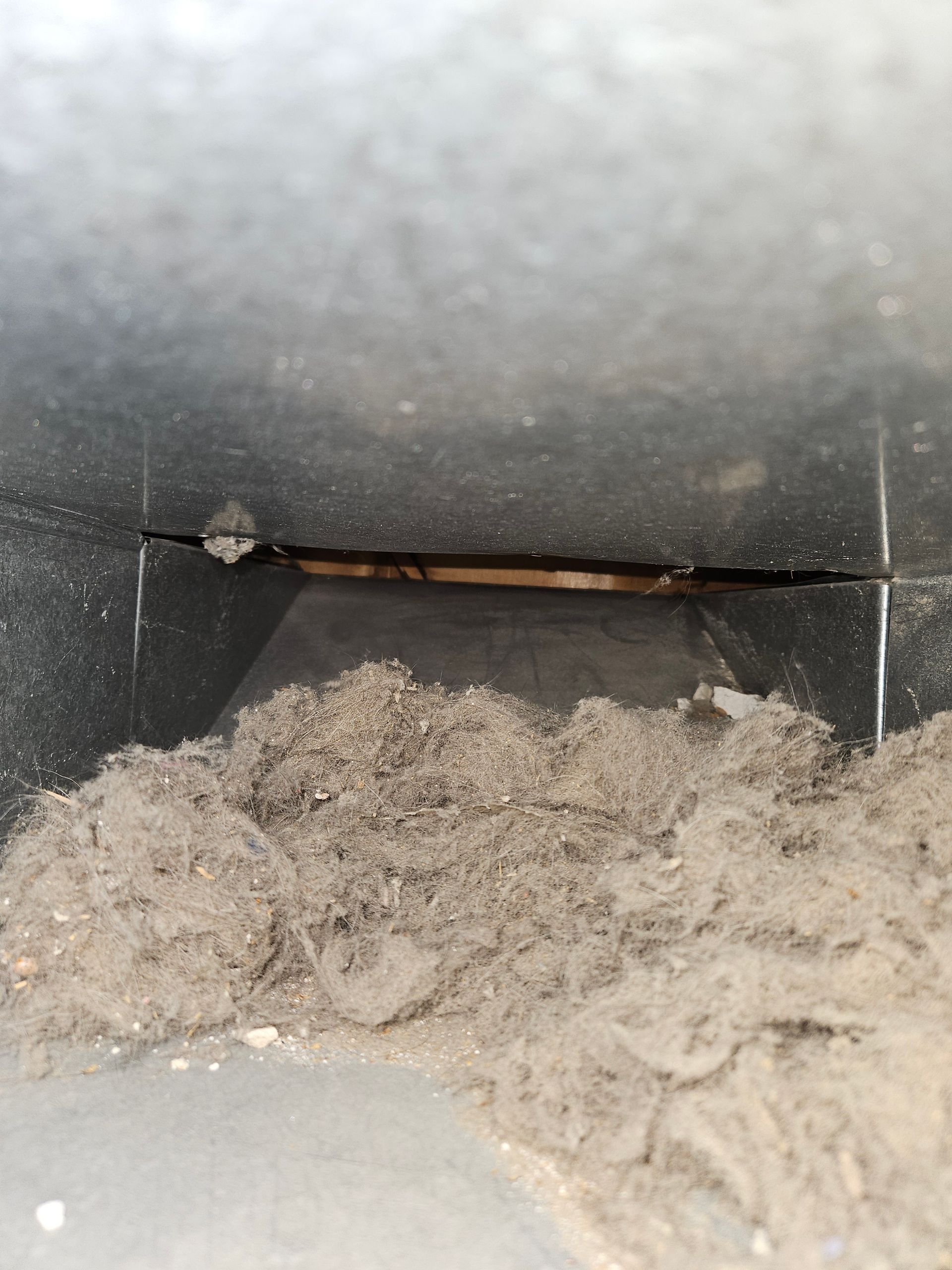
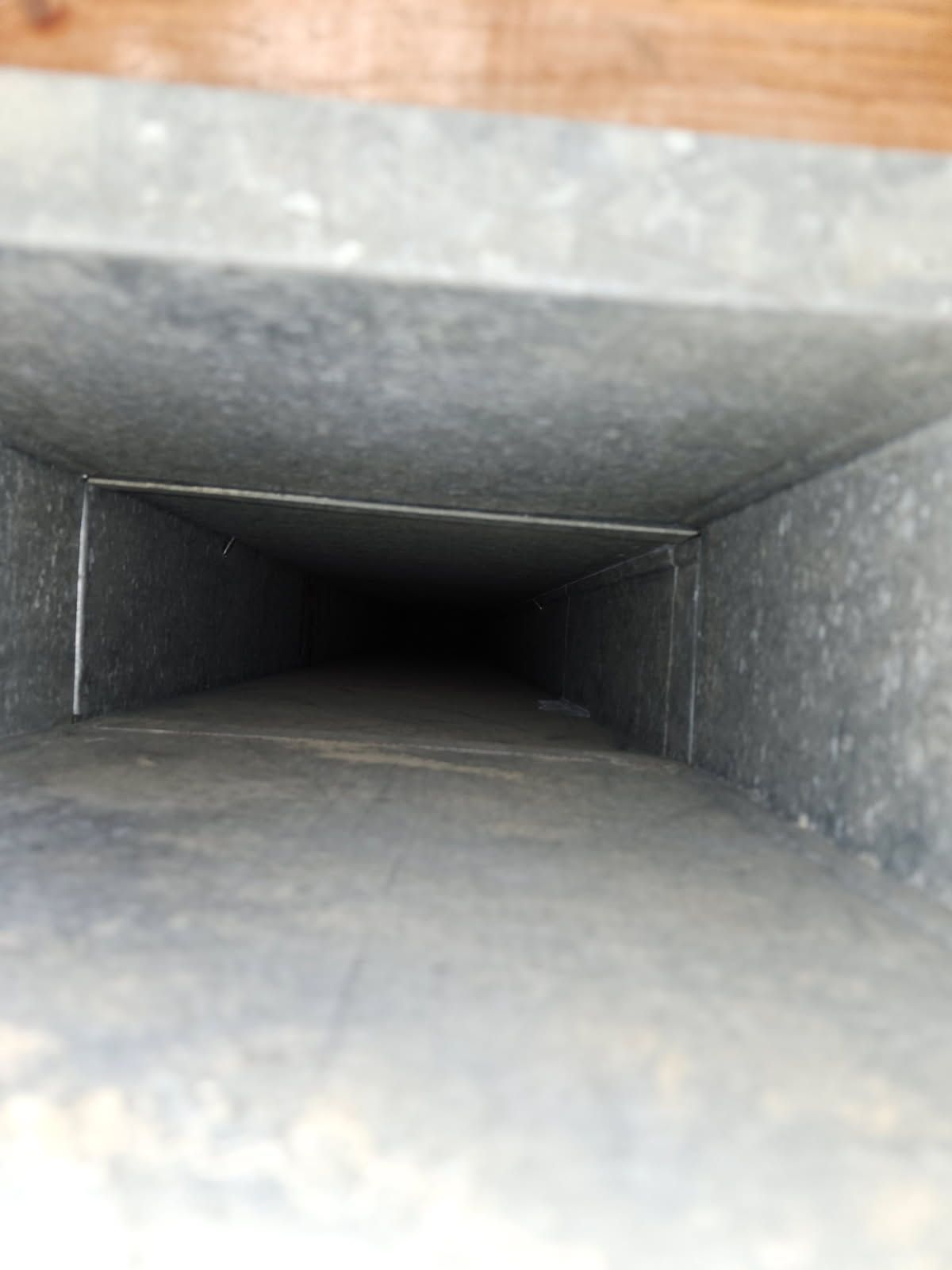
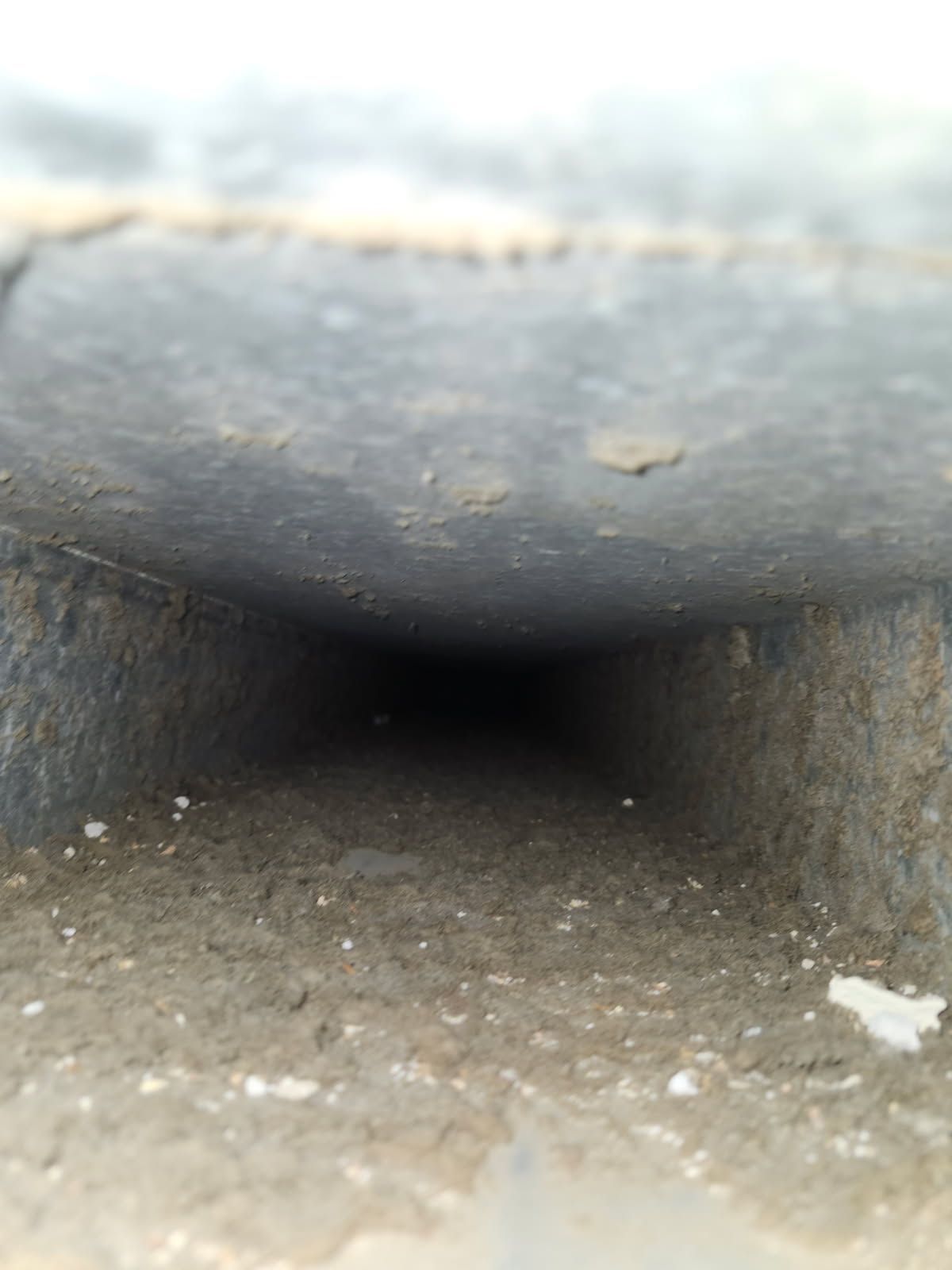
However, HVAC ducts can collect dust, pet dander, construction debris, and other particles over time.
Not all duct dust circulates back into living spaces. Much of it may remain attached to duct surfaces. However, excessive buildup, pest contamination, or debris coming from supply registers can indicate that professional cleaning is appropriate.
The EPA recommends evaluating duct cleaning based on actual conditions rather than following a mandatory annual schedule.
Wisconsin Natural Air Duct Cleaning provides professional air duct cleaning services in Wisconsin designed to remove accumulated debris from duct systems.
For homeowners who have never had their ductwork inspected, the beginning of heating season is a practical time to evaluate its condition.
4. Reduce dust from carpets, furniture, and bedding
Your HVAC system is only one piece of the dust problem.
Carpets, upholstered furniture, blankets, mattresses, curtains, and clothing continuously collect and release small particles.
During winter, when families spend more time indoors, these materials can contribute significantly to household dust.
To minimize buildup, vacuum high-traffic areas regularly using a vacuum equipped with HEPA filtration. Wash bedding frequently, clean upholstered furniture, and use damp microfiber cloths rather than dry dusters that may scatter particles.
Pay particular attention to bedrooms and living rooms, where people spend the most time.
Maintaining these routines can reduce the amount of household dust available to enter your HVAC system.
5. Manage pet hair and dander during heating season
Dogs and cats bring plenty of joy into Wisconsin homes, but they also contribute to dust accumulation.
Pet dander consists of tiny skin particles that can attach to household dust, furniture, carpets, and clothing. Pet hair and tracked-in outdoor debris add to the buildup.
When the furnace operates, some of these particles can become airborne and enter return vents.
To manage pet-related dust during winter, brush pets regularly, wash their bedding, vacuum favorite resting areas, and keep return vents clear.
Homes with multiple pets may benefit from checking HVAC filters more frequently.
If you have pets and frequently notice dust around your vents, professional duct cleaning may be worth considering when an inspection reveals significant accumulation.
6. Check for leaky ductwork
Sometimes the problem is not simply dust already inside your home.
Leaky return ductwork can draw air from dusty basements, crawl spaces, attics, or unfinished areas into your HVAC system.
These leaks may allow particles to bypass normal filtration, contributing to dust entering the air distribution system.
Common warning signs include unusually dusty rooms, disconnected duct sections, visible gaps around duct joints, and inconsistent airflow.
Professional duct sealing and HVAC maintenance can help address these problems.
Cleaning ductwork without correcting significant leaks may allow dust accumulation to return.
7. Keep indoor humidity at a comfortable level
Wisconsin's long heating season can make indoor air uncomfortably dry.
Low humidity may contribute to static electricity, dry skin, and irritation, while excessive humidity can encourage mold growth and other moisture-related problems.
For many Wisconsin homes, maintaining indoor relative humidity around 30% to 50% is a reasonable starting point, although lower levels may be necessary during extremely cold weather to prevent condensation on windows and other surfaces.
Use a hygrometer to monitor conditions, and follow the manufacturer's instructions when operating a humidifier.
Humidity control will not eliminate household dust, but it can improve overall indoor comfort during winter.
8. Consider professional air duct cleaning when buildup becomes excessive
Regular household cleaning and filter replacement are essential, but they cannot remove debris deep inside an HVAC duct system.
When substantial buildup is present, professional air duct cleaning can physically remove accumulated material from otherwise inaccessible areas.
Wisconsin Natural Air Duct Cleaning uses specialized equipment to address dust and debris inside residential duct systems.
Professional cleaning is particularly worth evaluating when:
- Substantial dust or debris is visible inside ductwork.
- Particles are blowing from supply registers.
- The system contains evidence of pest contamination.
- Recent construction left significant debris inside ducts.
- A professional inspection identifies excessive accumulation.
For examples of professional work, visit the company's air duct cleaning project gallery.
Why winter duct maintenance matters for Wisconsin homeowners
Wisconsin winters can stretch for months, placing sustained demands on residential heating equipment.
Homes in Madison, Milwaukee, Appleton, Green Bay, Fond du Lac, Sheboygan, Janesville, Manitowoc, and other Wisconsin communities face similar challenges: cold outdoor temperatures, limited natural ventilation, indoor dust accumulation, and frequent furnace operation.
A consistent maintenance routine helps homeowners address these issues before they become more noticeable.
Although duct cleaning alone is not guaranteed to reduce heating bills or resolve indoor allergy symptoms, removing excessive contamination and maintaining the HVAC system can be valuable parts of an overall home maintenance plan.
For information about available locations, explore the Wisconsin Natural Air Duct Cleaning service areas.
Don't let dust take over your home this heating season
If you feel like you're constantly dusting during winter, your home may need more than another round of cleaning.
Start with the basics: change furnace filters, clean vents, vacuum regularly, manage humidity, and check for airflow problems.
If you discover excessive debris inside your ductwork, professional air duct cleaning may be the next step toward maintaining a cleaner heating system.
Wisconsin Natural Air Duct Cleaning serves homeowners throughout Wisconsin, helping remove accumulated dust and debris from residential air duct systems.
Ready to find out what's hiding inside your ducts? Contact Wisconsin Natural Air Duct Cleaning or call 920-629-4870 to request an estimate before Wisconsin's winter heating season gets into full swing.